
Spirituality and Spiritualism
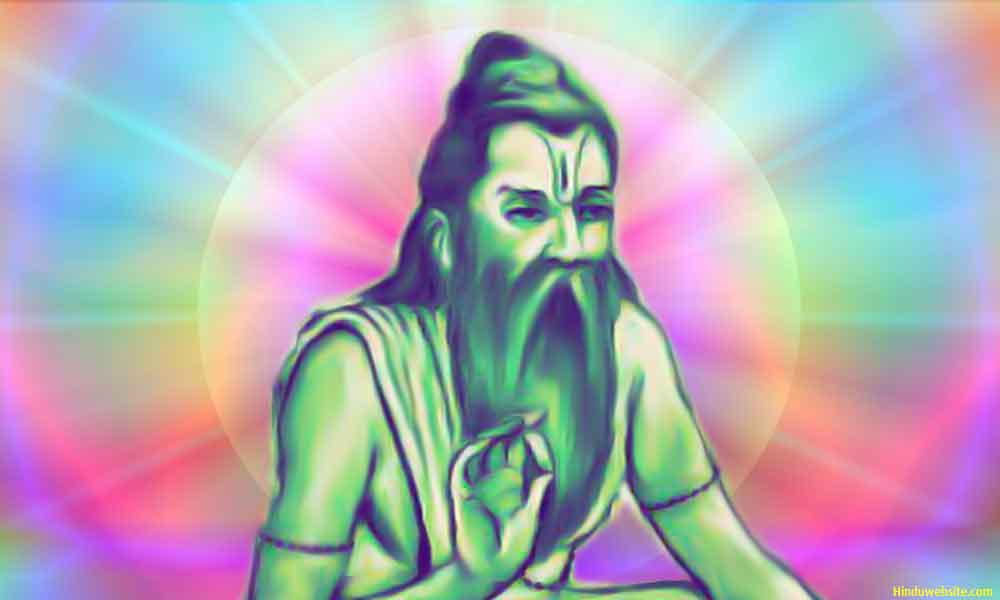
A definition of spiritualism
Spiritualism is a theological and speculative subject which deals with matters concerning the spirit or the Self: its nature, existence, mediums, ghosts, afterlife, spiritual powers, healing, angels, gods and goddesses, heaven and hell, occult worlds and so on.
In the last three centuries, spiritualism developed into a religion in itself in Europe and Latin America with its roots dating back to the medieval witchcraft, Wicca and other traditions. The French teacher and educator Hippolyte Léon Denizard Rivail (1804-1869), popularly known by his pen name Allan Kerdec, is considered the founder of spiritualism or Spiritism. He practiced what is called spirit tapping to communicate with spirits and record their messages and activities.
Spiritualism as a creed is based on the following common beliefs.
1. Belief in our ability to communicate with spirits and mediums>
2. Belief in afterlife
3. Belief in the individuality and ethereality of the souls
4. Belief in astral worlds and paranormal powers
5. Belief in God, gods, angels and hierarchy of spirits
6. Belief in extra terrestrial spirits
7. Belief in nature spirits and animal magnetism
8. Belief in supernatural and occult powers
9. Belief in possessions, magic potions, sorcery and witchcraft
Spirituality is an attitude
Spirituality is different from spiritualism. It is the practice of cultivating the spiritual attitude based upon the belief in God and individual Self or Soul and the possibility of liberation or self-realization through the practice of yoga and other methods. Spiritual people who are endowed with this attitude work for their self-transformation and inner purification. By transcending their ordinary nature and perceptual consciousness they aim to enter higher states of consciousness or the realm of the Self. In their expansive state of consciousness they want to experience oneness with the highest and the purest state of the individual Self, or the Supreme Self. Spirituality is the culminating stage in the religious practice of a person who develops a distaste for worldly life and the sensual pleasures of mind and body and yearns to return to his essential nature and achieve oneness with God.
Differences between spiritualism and spirituality
The practice of spiritualism means many things to many people. It covers a broad range of practices of which some are intensely evil and some are radiantly divine. Like any other branch of knowledge, spiritualism can be used both for good and evil purposes. Many people are drawn into it because of the immense powers and miraculous experiences it promises to bestow upon its practitioners. Spiritualism is a western concept in which soul is considered to possess some individuality, powers and memory of the past life and attachments. It is more suited for those who do not believe in rebirth or liberation.
Spirituality on the other hand is a purely austere effort, meant exclusively for liberation or self-realization. It is well suited for those who believe in karma, rebirth and the possibility of liberation. In spirituality there is no intent to harm only the yearning to escape from the cycle of births and deaths by realizing one's true nature. Spiritualism is for those who want to dabble with the spirit world for personal or professional reasons or to explore the alternative states of existence and methods of knowing and healing. Spirituality is practiced for different reasons. It is meant for those who want to transcend the physical, mental and material things achieve self-realization or peace and equanimity. It not for enhancing one's power or prestige, practice magic or attract the opposite sex. Those who practice spirituality eschew all worldly pleasures and practice self-restraint to transcend their baser nature and cultivate divine qualities. They become pure to the extent they are indistinguishable with God's very nature.
Different beliefs about the Self
In the religious scriptures such as the Upanishads a Self is described variously as the innermost self, the highest self, the deepest self, the real self and the immortal self. Atheism does not recognize the existence of Self. The Charvakas of ancient India believed that beings returned to their elements after death and that there was nothing beyond death. They exhorted people to make the most of their lives while living upon earth without worrying about their afterlives.
Most religions believe in the existence of the immortal self and its close affinity with God. Buddhism is an exception. It abides by the concept of anatma, or the nonexistence of an immortal and pure Self. It is however wrong to assume that Buddhism does not believe in any kind of Self at all. It does not believe in the kind of Self (atman) described in Hinduism and Jainism as pure, immortal, universal, highest, etc. In Buddhism the Self is a physical and mental entity representing the individuality of a being, brought together by the aggregation of various elements through chance into the whirlpool of existence and perpetuated through desires and actions till it achieves nirvana or complete freedom from change and suffering.
Some religions believe that plants, animals, humans and even inanimate objects like stones, elements, planets and other celestial objects have Selves, and that all Selves are the same in their essential nature. According to them plants and animals have the potential to evolve into human beings through their good karma or good actions. Human beings may also potentially degenerate into lower life forms, if the indulge in evil actions and mortal sins. Practitioners of occultism describe the Self as having made of the finest particles of energy, finer than the subatomic particles, which resonate at a much higher frequency and radiate higher energy. The fifth element ether (the other elements are: fire, water, air and earth) is associated with the Self. Its physical manifestation is the sky or space and it acts as the medium for sound. Hence, many religions rely upon prayers, mantras and other sacred chants to reach out to God or gods.
According to the Hindu scriptures, atman or the Self is smaller than the smallest and larger than the largest. It is essentially the same as Brahman, the highest Universal Self. It exists in human beings like a flame of the size of the thumb somewhere in the heart region. It cannot be grasped by the mind or the senses. It is swifter than them and always ahead of them. It is also described as the subjective consciousness or witness consciousness, different from the body and the mind and the egoistic self. By meditating upon it one gains immortality and union with the Highest Self. In human beings we can see its reflection in the buddhi or conscientious intelligence. The knowledge of the self is considered the highest knowledge, which liberates as well elevates the individual beings from bondage to the earthly life.
The individual Self and God
According to most religions, the Self is a representative aspect of God, having or reflecting all His essential qualities and powers. Some schools of Hinduism believe that God created numerous individual Selves at the beginning of creation. According to other schools, the individual Selves have never been created. They are without a beginning and without an end and exist along with God eternally. Their number is believed to be fixed. A similar concept is held by other religions like Jainism, Zoroastrianism, Christianity and Islam. There are believed to be different types of Selves, depending upon their level of awareness and nearness to God. The deluded Selves are bound to the cycle of births and deaths and liberated only when they become aware of their true nature. According to Christianity, Islam and Zoroastrianism, after death the Selves live eternally either in heaven or in hell depending upon their actions and allegiance to God. According to Hinduism, Jainism, heaven and hell are temporary residences for Selves in their long journey towards liberation. Till they are completely liberated they keep returning to the earth from these worlds after exhausting their good or bad karma.
Qualities of a truly spiritual person
The thought of a spiritual person conjures up in our mind images of gurus, saints, yogis, mendicants, rishis, Jinas, Sufis, fakirs, monks and so on. While this is true largely, what is more important to the practice of spiritualism is moral purity and the attitude of inwardness rather than obsession with the outward rituals or physical appearance. A person may wear orange robes but inwardly may be hankering after worldly desires. Another person may be living like an ordinary householder and yet may be virtuous and deeply spiritual. So one should not be deceived by outward appearances or the mere words and speeches of spiritual gurus. One should look at their general behavior, and what they are trying to do. A truly spiritual person is one who:
1. Believes in the existence of Self or innermost Self.
2. Accepts it as his true Self.
3. Identifies himself with it all the time.
4. Lives and acts as if he is the Self, not his mind and body.
5. Dwells deep within himself to understand the true nature of his existence.
6. Does not see any difference between himself and the rest of the creation.
7. Is morally pure.
8. Is uninterested in showing off his spiritual powers for personal popularity.
A spiritual person does not have to believe in God. However, he should believe in himself and his spiritual nature. He should lead a virtuous life. He should know how to control his mind and body and remain free from the temptations of life. He should know how to withdraw from his senses and remain centered in his self all the time. He should remain mentally stable under all circumstances by cultivating detachment from the things and attractions of the world. He should learn to overcome the limitations and weaknesses of his lower nature, by practicing virtue and identifying himself with his inner Self. If we set aside all the complexities and dogmas associated with the subject, spirituality is all about believing, thinking, acting and living like an immortal spirit.
Suggestions for Further Reading
- Healing Through Compassion
- Creating Harmony In You And Around You
- Spiritual Laws That Govern Our Lives
- Are You Different From Others?
- A Healthy Recipe for Life
- How You Can Attract Abundance, Healing Others
- The Power of Intention
- Finding Your Peace and Harmony
- Three Important Mind Tools
- Truths About Pain and Suffering
- Spirituality For Worldly People
- Finding Your Soul
- Friendship with God
- God As Your Role Model
- Hinduism, Buddhism, Jainism, Sikhism, Zoroastrianism and Other Resources
- Famous Quotations on Spirituality
- Seeing God Everywhere
- Mental Liberation: Achieving Mental Freedom
- Individuality in the Five Sheaths (Kosas) of the Body
- Hinduwebsite - Essays on Practical Spirituality
- Present Moment Awareness in Everyday Life
- Emptying Your Mind and Becoming Zero
- The Bhagavad-Gita on Suffering
- The Way of Peace by James Allen
- Awakening Your Mind and Body To Higher Consciousness
- For the Ego Religion is a Tool
- Conquering Fear
- Healing Your Consciousness - Advanced Self-healing Techniques
- How to Solve Problems With Spiritual Help?
- Relevance of Scriptures in Modern Life
- Making Peace With The Imperfections of Your Existence
- Materialism and Spirituality, The Two Paths of Life
- The Soul and the Mind
- Morality and Nature in Good Vs. Evil
- What is Your Natural State of Mind?
- Why Gandhi's Non-violence Was not True Non-violence
- Objective Concentration Techniques
- The Soul, The Ego and The Process of Liberation
- Tapping Into The Hidden Intelligence
- Ten Reflections For a Spiritual Person
- The Mind and The Illusion of Reality
- Books on Vegetarian Cooking
- Is Enlightenment the Right Word for Spiritual Liberation?
- Who Am I?
- Why do we want our World to End?
- Why is Life Such a Struggle?
- The Witness Self or the Observing Self
- Essays On Dharma
- Esoteric Mystic Hinduism
- Introduction to Hinduism
- Hindu Way of Life
- Essays On Karma
- Hindu Rites and Rituals
- The Origin of The Sanskrit Language
- Symbolism in Hinduism
- Essays on The Upanishads
- Concepts of Hinduism
- Essays on Atman
- Hindu Festivals
- Spiritual Practice
- Right Living
- Yoga of Sorrow
- Happiness
- Mental Health
- Concepts of Buddhism
- General Essays