
The Bhagavadgita on the Qualities of A Jnana Yogi
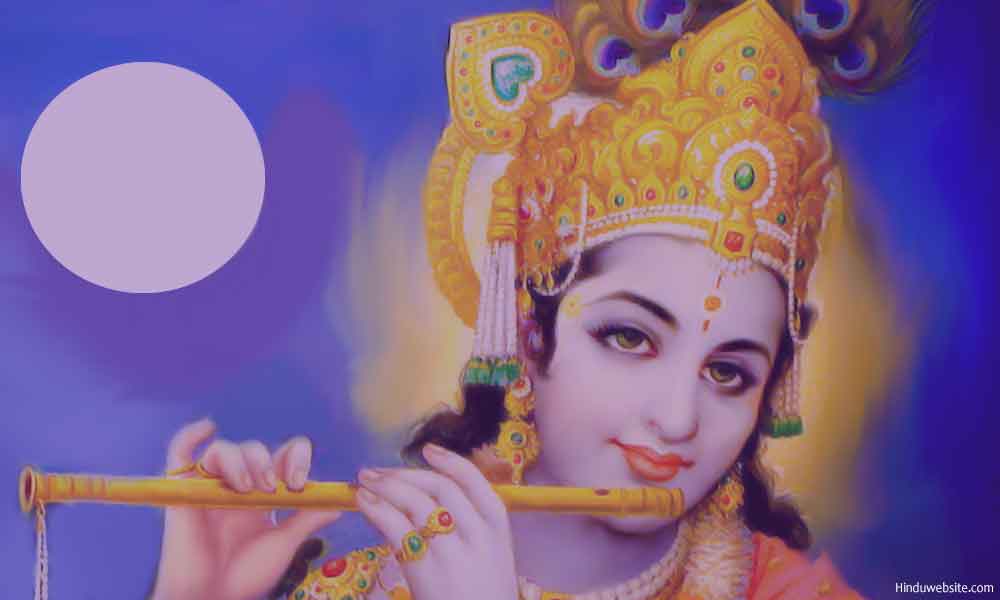
Chapter 16 Sloka 1
śrībhagavān uvāca
abhayam sattvasamśuddhir jñānayogavyavasthitih
dānam damaś ca yajñaś ca svādhyāyas tapa ārjavam
Translation
sri-bhagavan uvaca = the Blessed Lord said; abhayam = fearlessness; sattva-samsuddhih = with predominance of sattva; jnana = knowledge; yoga = yoga; vyavasthitih = established in; danam = charity; damah = self-restraint; ca = and; yajnah = sacrifice; ca = and; svadhyayah = self-study of the scriptures; tapah = austerity; arjavam = simplicity.
Meaning
"Said the Blessed Lord, "Fearlessness, predominance of sattva, well established in the yoga of knowledge, (engaged in) charity, self-restraint, self-study of the scriptures, austerity and simplicity.
Commentary
Enumerated here are the qualities of a person who is endowed with the knowledge of Brahman and who has perfected himself on the path of yoga. If you want to find Brahman, you have to become one. You must have all the qualities that qualify you as a divine being or a truly spiritual person. Brahman is not just a Being or a Person with a huge form as some tend to argue. Such descriptions are symbolic to denote His immensity, universality and omniscience. Brahman is the sum total of everything that exists here and hereafter. You cannot say definitely that He is this and He is not this. He is everything, including the nothingness or the emptiness which none can fathom.
However, there is a higher and a lower aspect of Him. Our endeavor should be to be part of that Higher nature and reflect all those radiant qualities which qualify us for a place in the immortal world that is free from sin, imperfection, mortality, transformation, impermanence, ignorance, time, delusion and division. It is said that when you become as pure as you inner Self, you will be able to realize Its essential nature and reflect it well in your consciousness. In this verse, Lord Krishna enumerates the qualities of a divine person, who is closer to the heart of God. A spiritual aspirant who is serious about his salvation, should pay attention to them because by cultivating them, he can move closer to perfection in his practice.
Fearlessness was the first quality mentioned by Krishna. Fearlessness comes from detachment, sameness and all knowing awareness. Fear stems from ignorance, confusion and feelings of helplessness. Knowledge leads to courage. When you know the past and present, people and situations, and when you have the insight into things and their nature, you will live fearlessly, with immense confidence. Besides, if you are detached and free from desires, you will not be troubled by fear and anxiety. With detachment comes contentment. When you are contended, you will not suffer from the fear of losing anything. With detachment, you will also become equal to everything and you will not be afraid to face any situation in your life, however unpleasant it may be.
The predominance of sattva is the key to transformation in yoga. The purpose of yoga is to develop it whereby a yogi experiences peace and stability within himself. Sattva is a divine quality. The heavens are filled with the radiance of sattva. So are the gods and the celestial beings that live in the sun filled words of radiant planes. The higher the plane in the divine space, the greater is its predominance. Even Isvara is made of sattva only, although it is of a higher and much purer quality, known as suddha sattva. When sattva is predominant and when both rajas and tamas are completely suppressed, a yogi radiates the brilliance of the Self. His perceptions and awareness improve tremendously. Free from ignorance and delusion, he discerns things clearly, with greater clarity, precision and wisdom. He is not easily disturbed or distracted by the every changing vistas of the phenomenal world. He cannot be tempted or lured into unwholesome attitude or behavior. He remains centered in himself and stable under all circumstances.
The yoga of knowledge is the first and the most important task on the spiritual path. Knowledge is the door through which you unravel the mysteries of your Self and come closer to your heart where you will experience love and devotion of the purest kind. Without knowledge of Brahman or the Self, self-realization is not possible. The practice of virtue, surrender and devotion is easier for a person who has established himself well in the yoga of knowledge. Many people assume that pure devotion is sufficient to reach the world of Brahman; but pure devotion does not arise in one’s mind and heart, unless sattva becomes predominant and the intelligence (buddhi) is suffused with the brilliance of knowledge.
Danam (charity) means giving. It is giving selflessly what you have and what you can. True charity comes from egolessness, freedom from desires, and intense love for Brahman and everything He represents. Charity is difficult for those who are selfish and self-centered and who do not see the presence of Brahman in His creation. It is easier for those who see the Self everywhere and who are free from desires and passions. When you find yourself in everyone and everyone in yourself, your heart will be filled with intense love and gratitude and you will unhesitatingly help the needy people and all the creatures with love and compassion. If you have knowledge, you will share it with others. If you have wealth, you will give it to the poor and the needy. If you have power and position, you will use it to bring cheer and comfort into the lives of people. Charity is difficult to practice for those who are predominantly rajasic, because it promotes passion, egoism and selfishness. Therefore, rajasic people should try to cultivate this quality as a part of their spiritual transformation.
Damah is self-restraint. From the Brihadaranyaka Upanishad we learn that Lord Brahma taught the values of three "da's" to the gods, the demons and the human beings respectively. He asked the gods to cultivate dama (self-restraint) because by nature they were pleasure seeking. He asked the demons to practice daya (compassion) because they were by nature inclined to inflict pain and suffering upon others. He asked the humans to practice dana (charity) because by nature they were selfish and materialistic. The practice of self-restraint (damah) is necessary where there is the predominance of sattva because sattva is prone to seek enjoyment and pleasure in all things and places.
Performing sacrifices is an important and essential aspect of religious life. Sacrificial rituals constitute our obligatory duties, which must be performed as stipulated in the scriptures. According to our tradition, they should be performed not for our sake but for the welfare of the world, the beings, the divinities, ancestors and the spirits. Our scriptures say that when sacrifices are performed, our divinities and ancestors are benefited because they get nourishment from the food we offer in the sacrifices. Energized with the nourishment we provide, they contribute to the order and harmony (rta) of the world. If your gods are happy and if your ancestors are well nourished, you will be happy with the blessings they shower upon you and your descendents. You can nourish them with your good behavior as well as your offerings. When you perform your obligatory duties with a sacrificial sense, their beneficial effect will be even greater.
Svadhyaya means self-study. It is an important aspect of kriya yoga (YS 2.1) and one of the five niyamas listed by Patanjali in the Yogasutras (YS 2.32). Vyasa, one of the traditional commentators of the Yogasutras, defined svadhyaya as the study of scriptures and relentless practice of japa or chanting of Aum or specific mantras. The purpose of svadhyaya is to saturate the mind with the scriptural and spiritual knowledge concerning Brahman, the Self and liberation so that one's awareness and understanding vastly improve and the practice of meditation and concentration becomes easier.
Tapah means austerity. The purpose of tapah is to generate internal body heat through self-control, yogic postures and similar methods to transform the sexual energy (retas) into spiritual energy (ojas) so that it can be used judiciously to cleanse the mind and the body and prepare it for the rigors of spiritual life. Austerities constitute an important aspect of Hindu spiritual practice. With austerities, you develop a strong mind and body, which can withstand the pressures of life, attacks from hostile forces and assimilate the higher energies generated during the self-transformative process. Discipline of the mind and body is essential for spiritual practice and it comes with the practice of austerities.
Arjavam means straightforwardness, honesty, simplicity, righteousness, open-mindedness. You will find this quality predominantly in virtuous people who are pure in their heart, whose thoughts and intentions are pure and who are always willing to help others and work for a divine cause. It manifests in those who perfect themselves in the practice of the five yamas, namely non-violence, truthfulness, non-stealing, celibacy and non-possession of material wealth.
Suggestions for Further Reading
- Om, Aum, Pranava or Nada in Mantra and Yoga Traditions
- Brahmacharya or Celibacy in Hinduism
- Atheism and Materialism in Ancient India
- Solving the Hindu Caste System
- How To Choose Your Spiritual Guru?
- Creation in Hinduism As a Transformative Evolutionary Process
- Wealth and Duty in Hinduism
- Do You Have Any Plans For Your Rebirth or Reincarnation?
- Understanding Death and Impermanence
- Lessons from the Dance of Kali, the Mother Nature
- Letting your God live in You - The True Essence of the Hindu Way of Life
- prajnanam brahma - Brahman is Intelligence
- Maslow's Hierarchy Of Needs From The Perspective Of Hinduism
- The Defintion and Concept of Maya in Hinduism
- The Meaning of Nirvana
- Self-knowledge, Difficulties in Knowing Yourself
- Hinduism - Sex and Gurus
- The Construction of Hinduism
- The Meaning and Significance of Heart in Hinduism
- The Origin and Significance of the Epic Mahabharata
- The True Meaning of Prakriti in Hinduism
- Three Myths about Hinduism
- What is Your Notion of God?
- Why Hinduism is a Preferred Choice for Educated Hindus
- Essays On Dharma
- Esoteric Mystic Hinduism
- Introduction to Hinduism
- Hindu Way of Life
- Essays On Karma
- Hindu Rites and Rituals
- The Origin of The Sanskrit Language
- Symbolism in Hinduism
- Essays on The Upanishads
- Concepts of Hinduism
- Essays on Atman
- Hindu Festivals
- Spiritual Practice
- Right Living
- Yoga of Sorrow
- Happiness
- Mental Health
- Concepts of Buddhism
- General Essays