
Nature of Jivas in Jainism
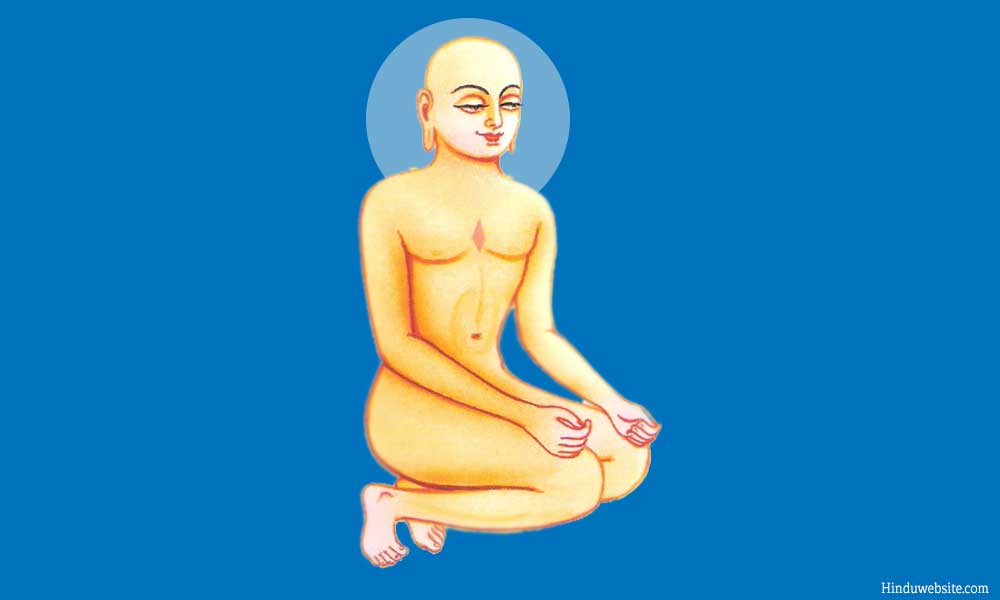
According to Jainism jiva means a living soul in a state of bondage and in association with matter, subject to the modifications and aspects of Nature, karma and rebirth. The souls are numerous and exist everywhere, not only in living beings, but in inanimate objects as well. They are every where, in every rock, in every drop of rain, in every particle of water, in every breeze of the wind, in every tongue of the flame, and in every ray of light.
Thus when a person is drinking water, eating food or lighting a stove to cook his food, he is likely to hurt the beings inside those objects and incur karma. Because of the ubiquitous nature of souls and their hidden presence in inanimate objects poses numerous problems for the beings upon earth since they cannot avoid hurting or harming them due to their ignorance and carelessness. From this perspective, even brething may potentially lead to sinful karma.
A Jain therefore shows extreme caution in his day to day living as he deals with the various objects of the world. Since he does not want to attract bad karma by disturbing other living souls and forcing them to find new bodies elsewhere, he exercises utomost care and caution in his movements and actions to avoid injury and harm to others and avoid retribution for himself.
This caution manifests in every aspect of his life from the way he eats and sleeps to the profession he choses and the actions he performs. The Jain scriptures protects them further from possible self-destuction by laying down a strict code of conduct and suggesting the consequences that await those who violate them.
As a result, a Jain shows extreme diligence in selecting his food and eating it. He avoids eating roots and tubers like potatoes, which harbor not only individual souls but also clusters of souls. He redues of quantity of food and water to the exten possible and avoids actions such as lighting lamps and using excess running water, which may potentially harm the souls living in the space of the five elements, to save himself from the consequences of destroying life and interfering with the destiny of innumerable souls. Many Jains also cover their mouhts with white cloth after the night fall, to avoid inhaling insects and other microorganisms hidden in the air. They also walk carefully watching their steps to avoid huring the beings present in the earth or moving upon it.
Five types of beings
Jainism recognizes five types of beings depending upon the number of the senses they possess.
1. Those with five senses: Gods, men, beings in the hell and higher animals such as monkeys, elephants, snakes, horses, etc., come under this category. These beings possess manas which gives them varying degrees of intelligence and rationality.
2. Those with four senses: In this category the beings do not possess the sense of hearing. Many insects fall into this category.
3. Those with three senses: In this category, the beings do not possess the sense of hearing and the sense of sight. Many insects are placed under this category including the moths, because of their tendency to move towards light and fire and destroying themselves.
4. Those with two senses. In this category the beings possess only the sense of taste and the sense of touch. Many worms, leeches, shell fish fall into this category.
5. Those with only one sense: In this category the beings possess only the sense of touch. These are again divided into five sub categories: i) the plant bodies containing only one soul or a cluster of souls such as the tubers and roots, ii) earth bodies made of earth material such as coals, minerals, stones and so on, iii) water bodies made up of water such rivers, lakes, water falls, lakes, ponds and even a drop of water, iv) fire bodies made up of fire such lightning, a lamp or candle light, or the fire in the kitchen stove, and finally v) the air bodies made of wind and gases such as a breeze or a storm wind.
According to Jainism the whole world is an aggregate of living souls hidden in every form and every object. The number of souls never change, because the souls are eternal and indestructible. When a soul becomes liberated, its place is automatically filled with another soul from another body.
The souls undergo continuous change from one condition to another because of the karma, which binds tthem to matter and keeps them chained to the cycle of births and deaths. They attain true liberation when they are freed from all conditionalities, bonds, desires and association with matter.
It happens when the jivas succeed in arresting the inflow of karma and purifying their bodies through good conduct and righteous actions. Foremost among the virtues is the practice of non-violence, truthfulness, non-covetiousness etc. The practice of nonviolence is central to the ethics of Jainism. In the journey of liberation each aspirant should practice it to perfection. In Jainism, nonviolence is a way of life, because injury to other beings especially those jivas with higher number of senses makes liberation extremely difficult.
This is part 2 of the essay on Jiva. Read Part 1
Suggestions for Further Reading
- The Atomic Theory of Jainism
- History of Jainism
- Jainism - Philosophy and Doctrine
- Major Beliefs of Jainism
- Jain Literature and Canonical Texts
- Jainism Cosmology
- The Jains And Their Creed
- Jainism - Doctrine and History
- An Introduction to Jainism or Jain Dharma
- The Philosophy and Practice of Jainism
- Information Websites on Jainism
- Jainism and the Belief in God
- Jainism - Jivas, the Embodied Souls
- Jainism - Belief in Karma
- The Theory of Knowledge in Jainism
- History of Jainism after Mahavira
- Vardhamana Mahavira
- Jainism - Anekantavada or Nayavada
- An Outsider Perspective on Jainism
- Jainism - Sects and Subsects
- Syadavada or Saptabhangi
- The Tattvas of Jainism
- Jain Thirthankaras
- Ethics of Jainism - The Three Jewels
- Tirthahkaras Before Mahavira
- Essays On Dharma
- Esoteric Mystic Hinduism
- Introduction to Hinduism
- Hindu Way of Life
- Essays On Karma
- Hindu Rites and Rituals
- The Origin of The Sanskrit Language
- Symbolism in Hinduism
- Essays on The Upanishads
- Concepts of Hinduism
- Essays on Atman
- Hindu Festivals
- Spiritual Practice
- Right Living
- Yoga of Sorrow
- Happiness
- Mental Health
- Concepts of Buddhism
- General Essays