
Becoming Aware of Your Spiritual Identity
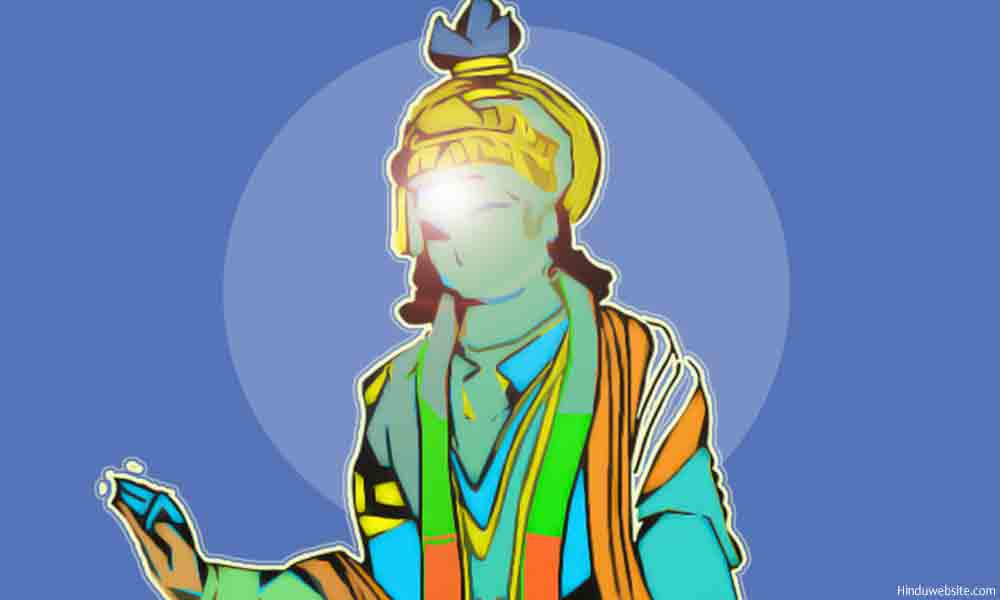
Chapter 2, Verse 20
20. He is never born, nor does he ever die, or he was never nonexistent and he will never cease to be. He is unborn, eternal, changeless and ancient. Even though the body is killed, he (the soul) is not slain.
The nature of soul and its four important qualities are described here, apart from the assertion that the soul is different from the physical body and indestructible. The four qualities distinguish the soul from the body. The verse states that the soul is without a beginning and an end, which means unlike the body which is subject to birth and death it is eternal. The bodies manifest only in creation as part of Nature’s modifications and diversity, whereas the souls were there even before the creation and they will remain so even after its dissolution. Even in bondage, the souls do not undergo any change. They remain pure forever, even when they are enveloped by the bodies and their impurities.
Knowledge of the Self is important to change our thinking, awareness and priorities in life. We cannot let our physical nature or physical identities influence our lives or destinies forever. This is important because a person’s thinking and attitude towards himself and others depends entirely upon the way he thinks about himself and the identity he assumes for himself. If he thinks that he is a mere physical body which is subject to mortality, he will remain narrow-minded and insecure. His physical identity becomes his reference point and influences his actions, relationships thinking and attitude. As he develops an attachment to it, he defines himself from that perspective and makes all important decisions in his life accordingly. On the contrary, if he knows that he is an immortal Self, he will spend more time thinking about his spiritual goals and his higher aims.
If you look at today's world and what has been happening around you, it becomes evident that most people are body centric. They spend their lives mostly thinking about their mental or physical health, how they look or how can they improve their looks. If you are not comfortable with your looks, most likely it is going to influence your self-esteem and your relationship with others. As the world becomes increasingly materialistic, people tend to become more obsessed with this type of behavior.
Whether it is about wars, wealth, science, space exploration, economy, commerce, politics, art, commerce, government regulations, advertisements or personal relationships the emphasis is mostly upon the physical aspects of human life. At the individual level, the emphasis is how to maximize physical enjoyment, bodily comforts, luxuries and personal wealth.
This is not to suggest that they are unnecessary or unimportant. It is to suggest how people are largely obsessed with the physical needs of their bodies and their survival or enjoyment rather than their spiritual wellbeing. One reason why religions and spiritual practices are not popular is because they put a lot of emphasis on austerities, self-control, renunciation of physical pleasures and detachment from the mind and body. Attachment to family, region, language, tribe, caste, nation, or race is also part of our body centric behavior only.
Arjuna's suffering was born out of similar attitude. The people with whom he was going to wage a war were related to him. They were but an extension of his physical identity, a part of his collective ego and public image. Any harm to them was in a way personal harm to him. Unless he stopped identifying himself with his name and form,, it would be difficult for him to change his habitual thinking and become truly spiritual.
Note : These commentaries are not part of the Bhagavadgita Complete Translation.
Suggestions for Further Reading
- The Samkhya Philosophy and 24 Principles of Creation
- The Bhagavadgita On The Problem Of Sorrow
- The Concept of Atman or Eternal Soul in Hinduism
- The Practice of Atma Yoga Or The Yoga Of Self
- The Problem of Maya Or Illusion and How To Deal With It
- Belief In Atman, The Eternal Soul Or The Inner Self
- Brahman, The Highest God Of Hinduism
- The Bhagavad Gita Original Translations
- The Bhagavadgita, Philosophy and Concepts
- Bhakti yoga or the Yoga of Devotion
- Hinduism And The Evolution of Life And Consciousness
- Why to Study the Bhagavadgita Parts 1 to 4
- The Triple Gunas, Sattva, Rajas and Tamas
- The Practice of Tantra and Tantric Ritual in Hinduism and Buddhism
- The Tradition Of Gurus and Gurukulas in Hinduism
- Origin, Definition and Introduction to Hinduism
- Hinduism, Way of Life, Beliefs and Practices
- A Summary of the Bhagavadgita
- Avatar, the Reincarnation of God Upon Earth
- The Bhagavadgita on Karma, the Law of Actions
- The Mandukya Upanishad
- The Bhagavadgita On The Mind And Its Control
- Symbolic Significance of Numbers in Hinduism
- The Belief of Reincarnation of Soul in Hinduism
- The True Meaning Of Renunciation According To Hinduism
- The Symbolic Significance of Puja Or Worship In Hinduism
- Introduction to the Upanishads of Hinduism
- Origin, Principles, Practice and Types of Yoga
- Hinduism and the Belief in one God
- Essays On Dharma
- Esoteric Mystic Hinduism
- Introduction to Hinduism
- Hindu Way of Life
- Essays On Karma
- Hindu Rites and Rituals
- The Origin of The Sanskrit Language
- Symbolism in Hinduism
- Essays on The Upanishads
- Concepts of Hinduism
- Essays on Atman
- Hindu Festivals
- Spiritual Practice
- Right Living
- Yoga of Sorrow
- Happiness
- Mental Health
- Concepts of Buddhism
- General Essays