
Zoroastrianism, On Good and Bad Religions
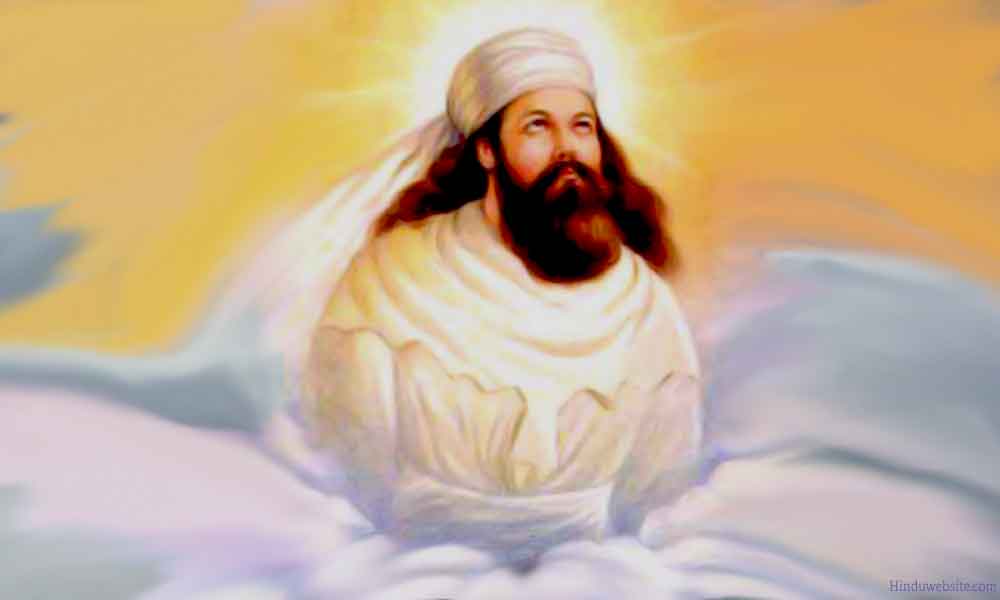
The following passages are reproduced from Zoroastrian texts to present the Zoroastrian view of what is a good religion and what is not, what practices it should encourage and what practices it should avoid and what end it should actually serve. Such a knowledge is deemed necessary in Zoroastrianism for people to know clearly what they should do and what they should follow in order to practice righteousness and remain centered in the religion.
Denkard - book 3- Chapter 190
Be it known that, the good religion is one that is in correspondence with the (divine) intuitive reason; it possesses every degree of embellished wisdom, it is the interpreter of superior knowledge, dignified by its communication with the spiritual existences, possessing (inculcating) the noblest system of morals, all manner of felicity in eternal existence, liberality, and preservation; and its object is to make its professor an extoller of the Deity, to keep him in obedience (to him), in union with the Original (Being), and possessed of the original thought. It is the very abode of piety and the source of graceful authority. And the faithful thereby (i.e. by the medium of the religion) are enabled to reform their natural habits and to strengthen their own common sense and to propagate the glory (of the religion). That supremacy or rule is graceful (or blessed), which is acquired by the aid of that religion. And the fidelity of the mass of the people to that religion, is the precursor of a time of happiness. It suppresses in this world unrighteousness and the Blemish-giver (Ahriman), and saves the people (from hell). Herein exist the institutions of the priest, the warrior, the farmer and the artisan, the worship of Ohrmazd, piety, and other good qualities, righteousness and virtue.
Again, the bad religion is imbued with the wickedness (or perverse doctrine) of (Ahriman), is an opponent of providence, possesses a store of false sayings for the sake of avarice, keeps (men) in distress through the evil spirits, glorifies the demons by means of sorcery, leads to the worship of the Druj by giving her the appellation of God, inculcates immoral habits in the name of morality; it is the mother of frehbut and aibibut, and the creed of falsehood.
With such a religion tyranny is seemly (becoming), and its adherents are corrupt in their habits; they pervert or destroy their wisdom or common sense, and forfeit their fame. To lend his evil help to it is worthy of its tyrant-adherent. The mass of its followers through fraud are subjected to many calamities, for they bestow (let loose) on the world their vicious help (vices) and the (sinful) strength of the Blemish-giver (Ahriman), and they cause distress to the good creatures. Herein (i.e. in the bad religion) are found such vices, as disturbance of piety, tyranny, wickedness, deceit, lewdness, demon-worship, degeneration, and of other defects and sins and evil-doings. The bad religion is also coupled with selfishness; it is the enemy of prudence, the opponent of intelligence, the disturber of the belief in the spiritual world, and the approver of the law of non-existence; herein are skepticism, habits of infidelity, and sorcery.
Denkard - book 3- Chapter 214
Be it known that, the manifestation in this world of the good religion is by its constant extensive propagation; since by means of its propagation by all orthodox people, there will occur among men, through the good religion, remembrance of the Yazads, and praise of truth and goodness, and hatred of falsehood and evil, and of whatever is embarrassing on account of an evil faith. The religion of the Dadar [Creator] is (ordained) for the performance of good actions by all pious and religious people, whereas the evil faith is for the performance of evil actions.
Sovereignty, devotion, protection of the poor, keeping cattle at liberty, and many other truly meritorious actions as well as the gifts pertaining thereto, are the result of the good religion, whereby the people, who are obedient unto God, are said to be of the good ways (i.e. principles). In those people whose creed comprehends falsehood and sinning, there is but little power of doing the following really meritorious deeds. The power of the good religion restrains [lit. improves] mankind from treading in the path of impurity; its sovereignty leads to the extension of their race (paevandashne); its guidance of the people of this world to purity, curtails (the power of) the Blemish-giver. The cleansing of the people of this world from failings and corruption of all kinds, prepares them for the everlasting (region of) full resplendence, and in such wise that a single motive of one's advance into impurity being known, he shall (essay to) promote goodness, and curb evil, and guide himself by those sublime meditations that tend to destroy all devilish propensities within. By means of firm reliance on it (i.e. the religion) by men, the people of this world shall be altogether improved through goodness; and as a consequence Ganamino shall be severely afflicted. By virtue of the good religion, Ganamino shall be severed by Spenamino from every object and action pertaining to the Frashegird, while the spread of the Frashegird (i.e. final reformation) shall follow the propagation (in this world) of the good conceptions in the Mazdayasnian religion.
Denkard Book 6
33. (1) They held even this thus: namely, for every person there is an object which is more honorable and dearer to him than anything else; and when he regards that thing as his co-helper, and when there lies nothing else in the midst, only then is one full of gladness therefrom. (2) That thing is Religion.
34. They held even this thus namely, (real) Religion is that which is being practiced.
35. They held even this thus: namely, he who believes in an intercession for the soul is less wicked than he who believes in nothing whatever.
Suggestions for Further Reading
- Zoroastrianism, Life After Death And The Nature of Heaven and Hell
- Zoroastrianism, The Battle Between Good and Evil
- Ahura Mazda Or Ohrmazd, the Zoroastrian God
- Amesha Spentas or Ameshaspands
- Asha, The Zoroastrian Concept of Truth and Universal Order
- Important Beliefs of Zoroastrianism
- The Old Iranian Calendars, Part 1
- Zoroastrianism - Main Concepts
- Zoroastrianism, Cosmogony Or Theories of Creation
- The Zoroastrian Cosmology
- Zoroastrinaism - The Zoroastrian Creed - An Overview
- Zoroastrianism - Genesis and Zoroastrian Calendar
- Zoroastrianism - Overview Of The Zoroastrian Doctrine
- Untitled 1
- Zoroastrianism - Important Zoroastrian or Parsi Festivals
- Funeral Ceremonies, Death and Disposal Of The Dead in Zoroastrianism
- Zoroastrianism - The Funeral Ceremonies of the Parsees, Part 1
- Gender Equality and Status Of Women In Zoroastrianism
- Zoroastrianism, On Good and Bad Religions
- The History of Zoroastrianism
- Asuras and Daevas the Indo Iranian Connection
- Zoroastrianism Links, Resources and Websites
- The Sacred Literature Of Zoroastrianism
- An Overview Of Zoroastrian Religion
- Important Practices of Zoroastrian Religion
- Zoroastrian Priests
- The Nature of Sin, Types of Sin and Expiation of Sin
- Space And Time In Zoroastrianism
- Life and works of Zarathushtra
- Zoroastrianism Main Beliefs
- Zarathushtra - Zoroaster
- Zoroastrianism, Zoroastrian, Links and Web Resources
- Zoroaster, Zarathushtra, Zarathustra
- Essays On Dharma
- Esoteric Mystic Hinduism
- Introduction to Hinduism
- Hindu Way of Life
- Essays On Karma
- Hindu Rites and Rituals
- The Origin of The Sanskrit Language
- Symbolism in Hinduism
- Essays on The Upanishads
- Concepts of Hinduism
- Essays on Atman
- Hindu Festivals
- Spiritual Practice
- Right Living
- Yoga of Sorrow
- Happiness
- Mental Health
- Concepts of Buddhism
- General Essays