Menog-i Khrad: The Spirit of Wisdom - Complete Index and Chapter Guide
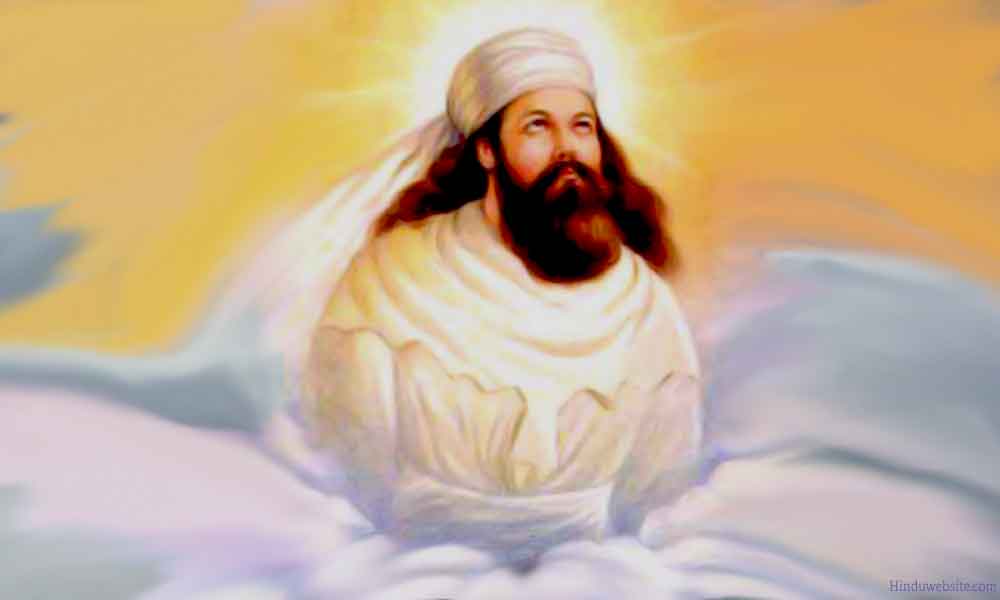
E. W. West
Summary: Menog-i Khrad, translated as "The Spirit of Wisdom," is a classical Zoroastrian philosophical and theological text that presents comprehensive teachings on spiritual ethics, cosmology, and metaphysics. This scholarly index page, translated by E. W. West, provides access to sixteen chapters covering essential Zoroastrian doctrines including the nature of good and evil, the creation of the universe, the grades of heaven and hell, and the path to spiritual enlightenment through righteous conduct and wisdom.
CONTENTS
Chapter 1. Introducing the sage and the spirit of wisdom
Chapter 2. How to preserve both body and soul, including the fate of the soul after death, whether righteous or wicked
Chapter 3. What liberality and truth, gratitude and wisdom, mindfulness and contentment are good for
Chapter 4. The nine chief good works, divided into seven classes
Chapter 5. The ten happiest lands
Chapter 6. The ten unhappiest lands
Chapter 7. The four grades of heaven and hell, with the neutral region between them, and the fate of the souls in each
Chapter 8. How Ohrmazd created the universe, and Ahriman corrupted it for 9000 years. The evil influence of the seven planets, the good influence of the twelve signs of the zodiac, and how far the good and evil can counteract each other
Chapter 9. The impossibility of going from region to region, the substance of the sky, and the mingling of the water in the earth
Chapter 10. The impossibility of peace and affection between Ahriman and Ohrmazd
Chapter 11. Wisdom without goodness and skill without wisdom are useless
Chapter 12. Worldly treasure is not allotted so truly as spiritual, on account of Ahriman's chieftains the seven planets; but, after death, every one is judged according to his own deeds
Chapter 13. Though animals' knowledge is instinctive, men obtain theirs only by toil, because Ahriman has concealed the results of good and evil, and formed many false religions; but the only true one is that taught by Zartosht
Chapter 14. The best protection, friend, supporter of fame, helper of enjoyment, wealth, and pleasure
Chapter 15. The poverty and opulence which are good, and the characteristics of good and bad government
Chapter 16. The best food, grain, and fruit. The effects of wine on different tempers, and when drunk in moderation and in excess. Also why silk clothing is better for the body, and cotton for the soul
Chapter 17. The pleasure that is worse than unhappiness
Chapter 18. Why people disregard the changeableness of worldly things, death, the account of the soul, and hell
Chapter 19. Living in fear and falsehood is worse than death
Chapter 20. The best and worst conversation for kings
Chapter 21. The fate of men who are worldly, scoffing, idle, malicious, lazy, false-hearted, and arrogant
Chapter 22. How far worldly wealth can be acquired through exertion
Chapter 23. The impossibility of contending with destiny
Chapter 24. Providence can over-rule destiny; but rarely does so, because of Ahriman's evil doings
Chapter 25. The poorest of the rich, and the richest of the poor
Chapter 26. A blind mind is worse than a blind eye, and an ill-informed is worse than an ill-tempered man
Chapter 27. The several advantages resulting from the actions of Gayomard, Hooshang, Tahmurqasp, Yim [Jamshed], Azi Zohak, Frasiyav, Faridoon, Manuschihar, Kay Kobad, Sahm, Kay Us, Siyavakhsh, Kay Khosraw, Kay Lohrhtm, and Kay Vishtasp
Chapter 28. The most forgiving, strongest, swiftest, happiest, and most miserable
Chapter 29. What must be most regarded and protected
Chapter 30. The worst life and most unforeseeing man
Chapter 31. The business of the three classes -- priests, warriors, and husbandmen
Chapter 32. The business of the fourth class, the artisans
Chapter 33. The worst ruler, chieftain, friend, kinsman, wife, child, and country
Chapter 34. Ahriman can hardly disturb a wise and contented man
Chapter 35. The seven kinds of men who are rich, and the seven who are poor
Chapter 36. The thirty sins
Chapter 37. The thirty-three good works
Chapter 38. Why worldly happiness is not allotted to the worthy who are accepted in heaven
Chapter 39. Whose power is most seemly, wisdom most complete, disposition most faithful, speech most proper, goodness least, friendship worst, mental pleasure least, heart most seemly, endurance most approvable, and who is not faithful. What should be kept by every one and no one, and also in conversation. Who cannot give evidence, to whom obedience is due, who must be minded and praised, what must not be unrespected, who is like Ohrmazd, and who like Ahriman
Chapter 40. What is coldest, warmest, brightest, darkest, fullest, emptiest, most fruitless, without superfluity, incapable of deprival, cannot be bought, satisfies every one, and satisfies no one. What Ohrmazd desires from men, and what Ahriman does; and what is the end in the worldly and spiritual existences
Chapter 41. The mightiest man, most dreadful road, most perplexing account, pleasantest tie, most regrettable work, and most unprofitable gift
Chapter 42. The three kinds of man
Chapter 43. The spiritual armor and weapons requisite for attaining to heaven and escaping from hell
Chapter 44. The arrangement of the sky and earth, flow of the water, and resting-place of the clouds; where the winter demon is most predominant, and the most undisturbed country
Chapter 45. How Ahriman deceives, whence is his pleasure, where he has a foundation, whom he haunts, and whence is his food
Chapter 46. Ahriman considers no injury complete, unless he seizes the soul
Chapter 47. What is better than all wealth, predominant over everything, and from which no one can escape
Chapter 48. The dwelling of the understanding, intellect, seed, and wisdom in the body
Chapter 49. The duties and motions of the stars, Tishtar, Vanand, Haptoring, the twelve signs of the zodiac, and the rest, the sun and the moon
Chapter 50. The opulent person who is fortunate, and the reverse
Chapter 51. Why a bad man sometimes succeeds, and a good one fails
Chapter 52. How the ceremonies and religion should be considered, and what is requisite for the renunciation of sin
Chapter 53. How the homage and glorifying of the sacred beings are to be performed
Chapter 54. Why an ignorant man will not learn
Chapter 55. Why an ill-natured man is no friend of the good, nor an untalented man of the talented
Chapter 56. The uses of mountains and rivers
Chapter 57. The many advantages and uses of wisdom
Chapter 58. Though an ignorant king is esteemed by man, a wise poor man is more esteemed by the angels
Chapter 59. The vices of the four classes -- priests, warriors, husbandmen, and artisans
Chapter 60. The man most conversant with good and evil
Chapter 61. The chiefs of men, women, horses, flying creatures, oxen, wild animals, and grains
Chapter 62. Regarding Kangdez, the enclosure formed by Yim [Jamshed], the body of Sahm, the abode of Srosh, the three-legged ass, the Haoma tree, Gopaitoshah, the Kar fish, the griffin bird, and Chinamrosh
Chapter 63. The best good work, which requires no trouble
Source: Translated by E. W. West, from Sacred Books of the East, volume 24, Oxford University Press, 1885.