
Zoroaster or Zarathushtra, the Prophet of Zoroastrianism
Who was Zarathushtra?
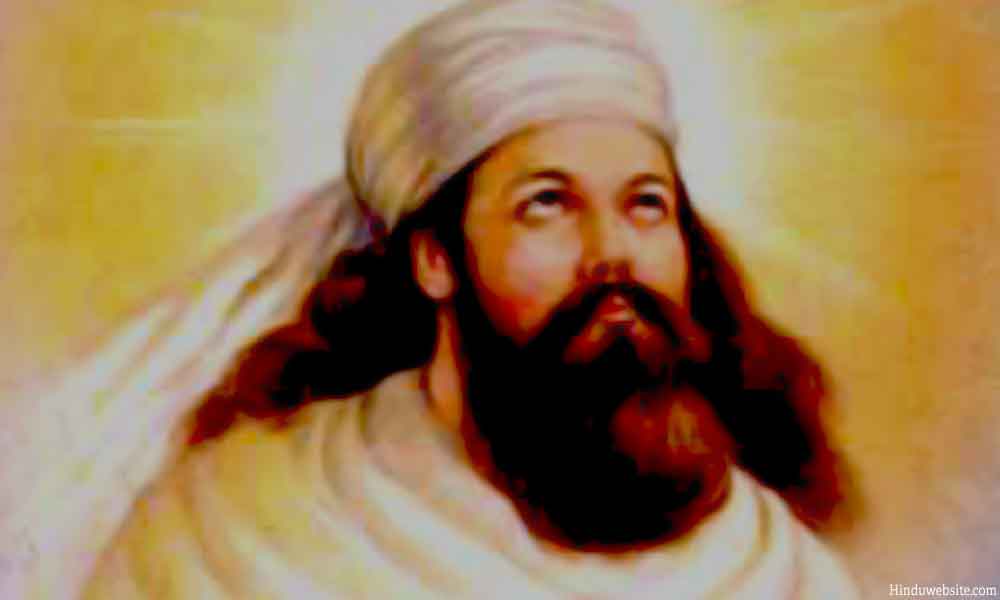
Zoroastrianism is a very ancient religion. The founder or the Prophet of this religion was Zarathushtra. He was born in a princely family in the ancient city of Rae or Ragha in ancient Persia. Pourushaspa was his father's name and Dugdhova was his mother's. When Zarathushtra was born, he was named Spitama, after one of his great heroic ancestors.
At the age of fifteen, young Spitama, instead of taking up household duties, retired into solitude, renouncing the worldly life. He spent fifteen strenuous years in the contemplation of God, facing numerous difficulties and innumerable temptations. The evil spirit Ahirman tried his best in various wicked ways to wean him away from his chosen path. But Spitama was steadfast in his determination to seek God and find answers to his perplexing questions. Finally, at the end of fifteen years he got enlightenment.
After returning home, Zarathushtra started preaching his new religion. Many were reluctant to accept his teachings, because they had fallen into wicked ways. For several years he had only one disciple, his cousin, Maidyoimaongha. He wandered from place to place teaching men what he believed in. But it was in vain. In Iran, people were not yet ready to accept him as a prophet and follow his teachings.
But Vishtaspa, ruler of the neighboring Bakhdi ( Bactria), welcomed Zarathushtra with open arms. He embraced the new religion and also inspired two of his ministers and two of his brothers to become his disciples. With their support the new religion became popular. Vishtaspa waged several wars in the defense of the new creed. Finally all opposition to the new religion was overcome and Zorastrianism was firmly established in Bactria as well as ancient Persia and also some of the neighboring countries. Zarathushtra continued to preach the new religion to the people of his times till he reached an advanced age.
When Zarathushtra was born?
There is a controversy as to the date of his birth. Historians believe that Zarathushtra lived some time around 1000 B.C. Plutarch thought he was born around 6000 B.C. According to another opinion he might have lived some time around 600 B.C. While it is not possible to arrive at an exact date, we can safely assume that Zarathushtra might have lived during the early Rig Vedic period, when the Rigvedic people were busy consolidating their gains in the northwestern parts of the subcontinent. This is based upon the similarities found between certain customs and practices found in both the Gathas of the Avesta and the hymns of the Rigveda.
Where Zarathushtra was born?
The place of his birth is uncertain. It is possible Zarathushtra was born somewhere between presentday Afghanista and Iran. According to some he was born in eastern Persia and grew up in an environment where he had some knowledge of the ancient customs and practices of the Vedic civilization.
Suggestions for Further Reading
- Zoroastrianism, Life After Death And The Nature of Heaven and Hell
- Zoroastrianism, The Battle Between Good and Evil
- Ahura Mazda Or Ohrmazd, the Zoroastrian God
- Amesha Spentas or Ameshaspands
- Asha, The Zoroastrian Concept of Truth and Universal Order
- Important Beliefs of Zoroastrianism
- The Old Iranian Calendars, Part 1
- Zoroastrianism - Main Concepts
- Zoroastrianism, Cosmogony Or Theories of Creation
- The Zoroastrian Cosmology
- Zoroastrinaism - The Zoroastrian Creed - An Overview
- Zoroastrianism - Genesis and Zoroastrian Calendar
- Zoroastrianism - Overview Of The Zoroastrian Doctrine
- Untitled 1
- Zoroastrianism - Important Zoroastrian or Parsi Festivals
- Funeral Ceremonies, Death and Disposal Of The Dead in Zoroastrianism
- Zoroastrianism - The Funeral Ceremonies of the Parsees, Part 1
- Gender Equality and Status Of Women In Zoroastrianism
- Zoroastrianism, On Good and Bad Religions
- The History of Zoroastrianism
- Asuras and Daevas the Indo Iranian Connection
- Zoroastrianism Links, Resources and Websites
- The Sacred Literature Of Zoroastrianism
- An Overview Of Zoroastrian Religion
- Important Practices of Zoroastrian Religion
- Zoroastrian Priests
- The Nature of Sin, Types of Sin and Expiation of Sin
- Space And Time In Zoroastrianism
- Life and works of Zarathushtra
- Zoroastrianism Main Beliefs
- Zarathushtra - Zoroaster
- Zoroastrianism, Zoroastrian, Links and Web Resources
- Zoroaster, Zarathushtra, Zarathustra
- Essays On Dharma
- Esoteric Mystic Hinduism
- Introduction to Hinduism
- Hindu Way of Life
- Essays On Karma
- Hindu Rites and Rituals
- The Origin of The Sanskrit Language
- Symbolism in Hinduism
- Essays on The Upanishads
- Concepts of Hinduism
- Essays on Atman
- Hindu Festivals
- Spiritual Practice
- Right Living
- Yoga of Sorrow
- Happiness
- Mental Health
- Concepts of Buddhism
- General Essays