Search Engine Optimization: A Complete Guide
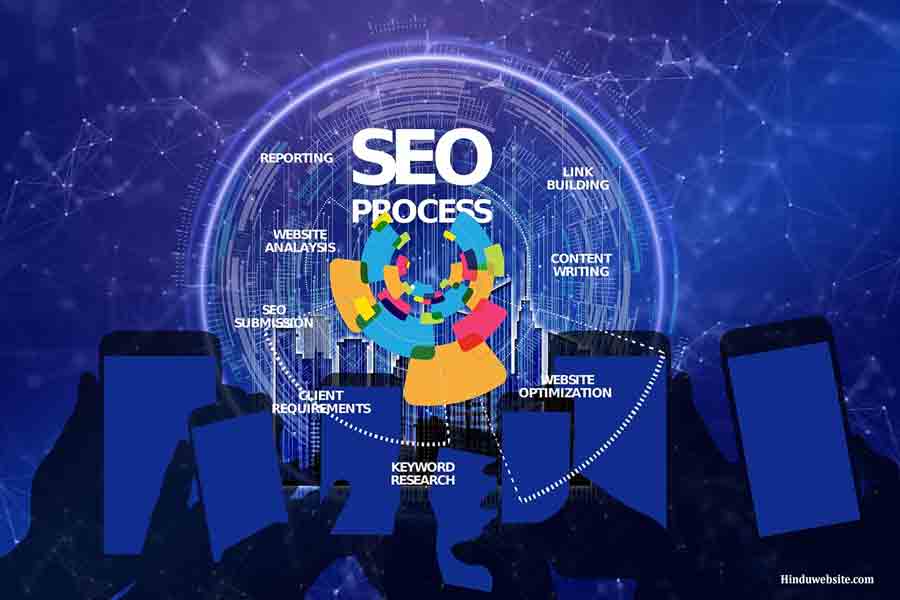
Summary: An introduction to search engine optimization (SEO), covering the key factors that determine how well a website ranks in search results, from keywords and on-page content to technical setup and site quality.
Search engine optimization, commonly known as SEO, is the practice of improving a website so that it ranks higher in the results pages of search engines such as Google and Bing. The goal is to attract more visitors through unpaid, or organic, search results rather than through paid advertising. A website that appears on the first page of Google for a relevant search term is likely to receive significantly more traffic than one buried on the second or third page.
SEO is not a single technique but a combination of practices covering content quality, website structure, technical performance, and external factors such as links from other sites. Understanding how these elements work together is the starting point for any effective optimization strategy.
Keywords and Search Intent
Every SEO effort begins with understanding what your audience is searching for. Keywords are the words and phrases that users type into search engines, and selecting the right ones determines whether the right people find your site. A useful exercise is to think about what questions your potential visitors are trying to answer and what language they use to ask them.
Equally important is search intent — the reason behind a search query. Someone searching for "how to bake sourdough bread" has different expectations from someone searching "best sourdough bakery near me." Aligning your content with the intent behind a keyword is more effective than simply repeating a keyword many times across a page.
Modern search engines are sophisticated enough to understand context and synonyms, so writing naturally for your audience is more valuable than forcing exact keyword phrases into every sentence.
On-Page Optimization
On-page optimization refers to everything within your web pages that you can control directly. The most important on-page elements are the following:
- Page title: The HTML title tag is one of the most significant ranking signals. Keep it concise — around 55 to 60 characters — include your primary keyword, and make it accurately represent the page content.
- Meta description: While not a direct ranking factor, a well-written meta description influences how many users click your listing in search results. Aim for 140 to 155 characters and write it as a clear, compelling summary of the page.
- Headings: Use your main heading (H1) to clearly state the topic of the page. Use subheadings (H2, H3) to organise content logically and help both readers and search engines understand the page structure.
- Content: Write detailed, accurate, and genuinely useful content. Pages that thoroughly address a topic tend to rank better than thin pages that barely touch the surface. Aim for at least 500 to 700 words for substantive articles.
- URL structure: Keep URLs short, readable, and descriptive. A URL like
/articles/seo-guideis better than/articles/page123.
Technical SEO
Even excellent content will struggle to rank if a website has technical problems. Technical SEO covers the behind-the-scenes factors that affect how search engines crawl and index your site.
Site speed is a confirmed ranking factor. Pages that load slowly frustrate users and are penalised in rankings. Compressing images, reducing unnecessary scripts, and using browser caching all help improve load times. Mobile compatibility is equally essential — the majority of web searches now happen on mobile devices, and Google uses the mobile version of a site as its primary basis for indexing and ranking. Ensure your pages display correctly on smartphones and tablets.
A sitemap is an XML file that lists all the important pages on your site. Submitting it to Google Search Console helps search engines discover and index your pages more efficiently. A robots.txt file, placed in your website's root folder, tells search engine crawlers which pages or directories they should or should not index. Both files are straightforward to create and are among the most basic technical SEO requirements for any website.
Images and Alt Text
Images contribute to a page's visual appeal but require attention from an SEO perspective. Each image should have a descriptive alt attribute that explains what the image shows. This helps search engines understand the image content and also improves accessibility for users who rely on screen readers.
Use compressed image files to avoid slowing down page load times, and give image files meaningful
names rather than generic strings like img001.jpg. A file named seo-guide-diagram.png
gives search engines useful context before they even read the image content.
Internal Linking
Linking between your own pages helps search engines understand the structure of your site and discover content they might not otherwise find. It also distributes authority across your pages and guides visitors to related content. Use descriptive anchor text that gives a clear indication of what the linked page is about, rather than generic phrases such as "click here."
The Foundation of Good SEO
The most important principle of search engine optimization is that practices which genuinely improve a website for human visitors tend to produce lasting ranking improvements. Search engines are increasingly sophisticated at identifying and rewarding quality content and well-structured sites. Chasing shortcuts or trying to game search algorithms is a short-term strategy with long-term risks.
Good SEO takes time to show results, but the improvements tend to be durable. Consistent attention to content quality, technical health, and a good user experience will serve a website far better than any quick-fix tactic. To explore more advanced strategies — including content depth, backlink building, user experience signals, and the impact of AI on search — read our guide to advanced SEO techniques. You may also find our article on how search engines work useful for understanding the context behind these practices.
This article was written with AI assistance and reviewed for accuracy. Image for the topic of this page created with images from Pixabay.