
Praying With the Right Attitude
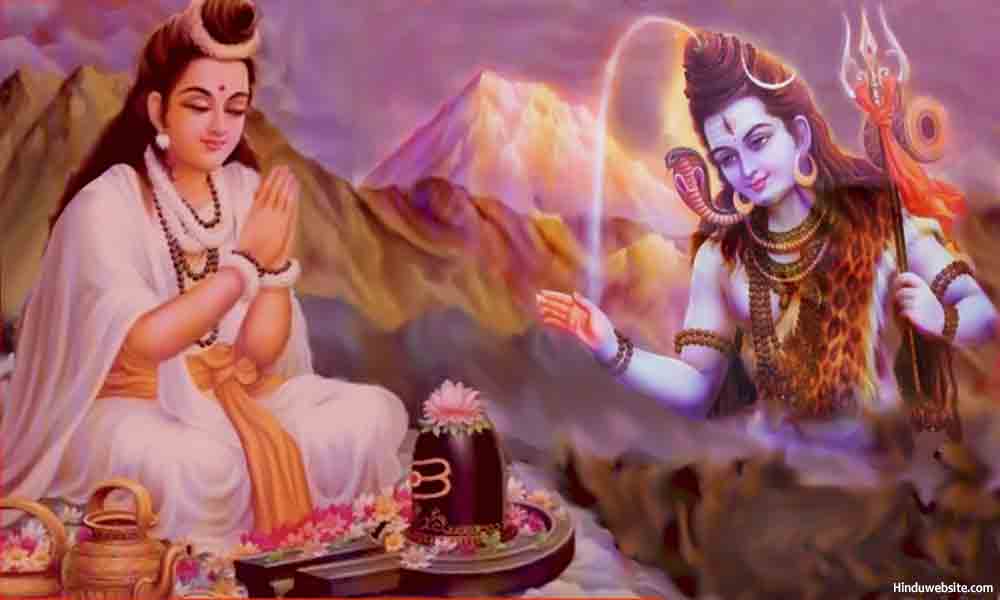
The Mystical life is the life of union with God, and it is based essentially on Prayer and Contemplation. But prayer and contemplation, though simple in themselves, are yet fraught with difficulties and dangers unless we be wisely guided. Rev. Hugh Pope.
All these forms and ceremonies, these prayers and pilgrimages, these books, bells, candles, and priests, are the preparations; they take off the impurities from the soul. Swami Vivekananda.
Develop all these qualities through daily prayers and meditation. Swami Chinmayananda
Most people close their eyes, when they pray. This is the general practice. The eyes remain closed, as they join their hands or bow their heads in the presence of God. However, in most instances, when worldly people pray, their minds may remain active and distracted due to lack of discipline, whereby their act of praying becomes just another activity, or a form of a ritual, performed out of habit or desire to keep their fears and feelings of insecurity assuaged.
A prayer is effective only when it is prayed with sincerity and with the whole being participating in the act. Closing the eyes is just one act of the prayer to concentrate the mind and keep the distractions minimum. The truth is, when we pray we should close not only just our eyes, but all the other senses and the mind as well. We cannot approach the divine with a disturbed mind and distracted attention. We have to shut our minds and senses completely, to the extent possible, from the external world, in order to find the center of peace and light within where we can rest thoughts and our prayers with heightened awareness.
The image in front of us, if we choose to keep one to address our prayers, is helpful in keeping the mind steady and concentrated. It acts like a door or a wormhole through which, with some effort, we can enter the House of God. In the mind of an earnest devotee who is absorbed in the thoughts of God, a prayer becomes a vehicle through which his thoughts and feelings are transported to another world. When his senses are under control and his mind is not distracted, a worshipper is in a better position to attune himself to his higher aspirations and thereby to the higher forces of the universe.
However, this is not the only effective way to pray to God. The beauty and strength of life is that in any given situation we have choices and opportunities to achieve the same goal or approach the same truth in different ways. The paths to God are many and all paths lead to him only. A prayer is not an exception. There is another method, prescribed by some schools of devotional theism, in which devotees are allowed to pray and sing while gazing adoringly at the image of their personal deity for prolonged periods of time, with their senses fully awake, and their minds filled with rapturous devotion and full concentration. This generally results in the devotees' falling into trance or some trance like mental state. Here, the highest form of devotion is manifested in the ordinary plane of consciousness and the divine is almost pulled into the earthly plane by its magnetic force. Although the mind and the senses are not actively restrained, they become subdued and silent due to the sheer force of devotion and the pull of love for God.
In some cases, the practice is allowed to go to the extremes. Here the devotees not only sing and dance, but give full expression to their heartfelt emotions, till they fall into some kind of trance or ecstatic state. The ideas of detachment and renunciation of the worldly life, which are central to all spiritual life, become manifested in their mode of worship. They experience deep feelings of unbridled joy and inner freedom, so much so that sometimes they lose sight of all social inhibitions and exhibit their love for the divine in extraordinary ways. In such cases, devotees may even give the impression to the onlookers that they are insane or mentally imbalanced.
It is difficult to say which of these methods one should follow. It depends upon each individual, his or her religious background, and inner disposition. Some people prefer the silent way of praying, because they feel more comfortable with it and like to communicate with God through the silent recesses of their minds. Some people prefer the noisy way, which brings out the best or the worst in them, whereby in the end they may feel either disturbed and exhausted or experience a greater state of inner calm descending upon them through their energized minds and bodies, filled with divine love, and transformed or purified with positive energy.
God being what He is, He would not perhaps discriminate from one devotee and another. He may be amused by all the approaches we use in expressing our love and devotion, but neverthless treats his devotees with the same love and attention. What makes the difference is the sincerity and the child like purity of approach, supported by an unwavering mind and firm faith.
Formal and informal prayers
A prayer is an act of speaking or communicating with the object of your devotion. One may even consider it an act of begging, beseeching or petitioning. It is true that in prayers devotees often express their fears, anger or frustration as they lose hope, but it is rare. People use prayers primarily to express, to communicate and to be heard, using their thoughts, emotions and speech. In doing so they may engage their minds, senses and various organs in their bodies.
Thus, a prayer is not a mere verbal act, but the wholesome act of the very beingness. In prayer you connect your heart to that of God. If you want solutions to your problems, you may use your faculties but it is better if you add prayer as part of the solution with complete faith. As the Mother of Sri Aurobindo Ashram used to say, your prayer has to be done with childlike trust that it will reach the Lord and do its work. There should be no conflict whatsoever in your thinking or approach. If there is a conflict, or if the mind vacillates between faith and lack of faith or trust and distrust, your prayer will lack the conviction and power of simple faith.
Hindu prayers essentially fall into two categories, formal and informal. In formal prayers, devotees have to follow a strict code of conduct and observe chastity and purity. While praying and worshipping God they have to abide by the rules and scriptural injunctions as dictated by tradition or custom and use only those prayers which are approved by tradition. Such prayers may also involve elaborate rites and rituals and the assistance of priests.
In such prayers one cannot take any liberties with the wording of the prayers or how they are used in worship. Every action has to be performed according to a procedure, including what to offer, when to offer and whom to offer. Most Vedic sacrificial ceremonies and ceremonial prayers which involve the invocation of gods fall into this category. Informal prayers, on the other hand, do not require elaborate arrangements. You may create your own prayers according to your convenience and imagination or use standard prayers without having to observe the formalities as in case of the Vedic ceremonies.
In Hinduism, you will see both approaches and a range of practices that fall in between. In the temples, the priests offer formal prayers, while the devotees usually follow informal methods to pray to the deities. One may also see combination of these approaches in puja (pooja) or domestic worship. On certain occasions they follow a strict code of conduct and worship with discipline, while on other occasions they may take liberties and worship according to convenience. Traditionally, domestic worship is also supposed to be formal in which the deity has to be invited, offered a seat and worshipped with all the customary hospitality. However, people follow those methods only on certain auspicious occasions and at other times follow the informal approach.
Praying with the right attitude
In both formal and informal approaches, the attitude and the aspiration with which one prays are as important as the wording itself for the prayers to be effective. The heart must be filled with right aspiration. The mind must be attuned to right attitude. One may organize elaborate, formal prayer sessions or sacrificial ceremonies. However, if the attitude and aspiration is lacking, they may prove ineffective. The elaborate arrangements in formal prayers and the discipline which they demand are meant to test one’s faith, commitment and devotion to the deity.
They are meant to see whether you are willing to make necessary sacrifices to win the approval of God, but certainly not to strengthen your ego or establish your moral and social superiority in society. Whether you use formal prayers or the informal ones, right attitude is important ito conduct any prayer. While people may pray to God according to their beliefs and approaches, they should pray with right attitude and right aspiration. In this regard, certain factors, such as the ones which are stated below, seem to play an important role in improving the attitude and aspiration of the mind and making the prayer effective.
However, it is important to remember that attitude or aspiration has to arise naturally as an expression or consequence of inner purity and pure devotion, not as affected. Prayer is essentially an expression of pure devotion, and pure devotion is the culmination of prolonged spiritual effort, in which everything falls off from the center of a devotee's life and only God and devotion for him remain.
1. Shraddah: Prayers require shraddah, which is more than faith. The word sraddah has multiple meanings. It means faith, trust, confidence, sincerity, interest, respect, commitment, reverence and positive attitude. All these are important and must be expressed in a prayer to make it effective. Shraddah is also the foundation of religious faith, ritual worship and spiritual practice. Without it one cannot progress far on the path of liberation or in any worldly or religious activity.
2. Bhayam: Literally speaking, bhayam means fear. However, from ethical perspective fear means the attitude with which one approaches a parent, teacher, elderly person or a deity. It is a combination of fear, respect, reverence, humility and admiration. One has to bring this attitude to worship and while communicating with God because it shows how much you care for your relationship with him and whether you are willing to surrender your pride and ego.
3. Bhakti: Bhakti is the culmination of love for God. It arises from inner purity, knowledge, virtue, predominance of sattva, presence of divine qualities and the merit or good karma of past lives. Bhakti primarily means devotion. However, it has several secondary meanings such as love, attachment and loyalty, which are equally important in cultivating the right attitude in devotional worship. Bhatki is the true of test of whether you are willing to sacrifice your life for the love of God and become an offering in his eternal sacrifice.
4. Daya: Prayers are most effective when they are prayed for the welfare of others. Daya means compassion and generosity. It is a divine quality, which is best expressed when you are moved by the suffering of others or when you intend to help others without any personal motive to express your love and devotion to God. Showing compassion to others is also the best way to please God and earn his grace. Prayer becomes an expression of Dharma when you use it to help others. By praying for others, you truly fulfill the purpose of your life, which is to represent God upon earth as his very Self and ensure the order and regularity of the world.
Prayer as the universal form of worshp and religous practice
The use of prayers as the declaration of faith, love and devotion to God is universal to all religions. Prayers remove all the externalities and bring humans closer to God and to heaven. You may be told and trained to pray, but the prayer which wells up in the heart of a sincere devotee as an expression of pure love and unflinching faith is the most effective, whether it adheres to any rules or not. God himself is not bound to any rules. Therefore, it is not necessary that the act of praying or worshipping has to.
In mundane life, prayers are the means to establish communion with God. For worldly people who are engaged in householder duties, praying is the first step in cultivating religiosity, faith and devotion. It opens their minds to their spiritual nature and the idea of liberation from existential suffering through spiritual means. The first religion in the world was probably established the day when someone for the first time learned to pray and found it effective.
In the beginning when people start praying, they may do so to fulfil their desires or overcome their fears. They may occasionally pray when they need something, when they have a problem or when they remember God. However, at some stage, their faith strengthens and their devotion becomes purer, as they overcome their desires and worldliness and advance into higher states of yoga as true devotees.
Prayer literally means the cry (arthra) of a suffering soul. In the Bhagavadgita Lord Krishna says that he responds to the calls made by those who are in distress, but does not consider them his dearest devotees who are forever absorbed in his thoughts. If you are at the center of your life, you cannot truly overcome duality or feel oneness with God, and you cannot truly remove the barrier that stands between.
Through prayers you should break that barrier and let God reside in your heart and consciousness as your very Self. Prayers should lead to pure devotion, strengthening of faith and inner transformation. That is the true purpose of prayers. As devotion strengthens and as one makes progress on the path, prayer becomes a way of life, a part of one’s meditation, remembrance, declaration of love and faith. In the heightened states of devotion, prayer becomes meditation and contemplation, as one develops a continuous, reverential and prayerful attitude and engages the mind in the contemplation of God, which eventually leads to self-absorption and liberation.
Suggestions for Further Reading
- An Auspicious Prayer to the Vedic Gods
- Prayer in Hinduism
- Aim and purpose of prayer in Hinduism
- Hymns to Siva
- The Practice of Satsang in Modern Life
- An Important Lesson From the Mahabharat
- Beware the Gods are Here
- Bhakti, Spiritual Devotion To God
- Bhakti Marg, the Path of Devotion
- The Samkhya Philosophy and 24 Principles of Creation
- The Bhagavadgita On The Problem Of Sorrow
- The Concept of Atman or Eternal Soul in Hinduism
- The Practice of Atma Yoga Or The Yoga Of Self
- The Problem of Maya Or Illusion and How To Deal With It
- Belief In Atman, The Eternal Soul Or The Inner Self
- Brahman, The Highest God Of Hinduism
- The Bhagavad Gita Original Translations
- The Bhagavadgita, Philosophy and Concepts
- Bhakti yoga or the Yoga of Devotion
- Hinduism And The Evolution of Life And Consciousness
- Why to Study the Bhagavadgita Parts 1 to 4
- The Triple Gunas, Sattva, Rajas and Tamas
- The Practice of Tantra and Tantric Ritual in Hinduism and Buddhism
- The Tradition Of Gurus and Gurukulas in Hinduism
- Origin, Definition and Introduction to Hinduism
- Hinduism, Way of Life, Beliefs and Practices
- A Summary of the Bhagavadgita
- Avatar, the Reincarnation of God Upon Earth
- The Bhagavadgita on Karma, the Law of Actions
- The Mandukya Upanishad
- The Bhagavadgita On The Mind And Its Control
- Symbolic Significance of Numbers in Hinduism
- The Belief of Reincarnation of Soul in Hinduism
- The True Meaning Of Renunciation According To Hinduism
- The Symbolic Significance of Puja Or Worship In Hinduism
- Introduction to the Upanishads of Hinduism
- Origin, Principles, Practice and Types of Yoga
- Hinduism and the Belief in one God
- Essays On Dharma
- Esoteric Mystic Hinduism
- Introduction to Hinduism
- Hindu Way of Life
- Essays On Karma
- Hindu Rites and Rituals
- The Origin of The Sanskrit Language
- Symbolism in Hinduism
- Essays on The Upanishads
- Concepts of Hinduism
- Essays on Atman
- Hindu Festivals
- Spiritual Practice
- Right Living
- Yoga of Sorrow
- Happiness
- Mental Health
- Concepts of Buddhism
- General Essays