
Essays On Sorrow And Suffering
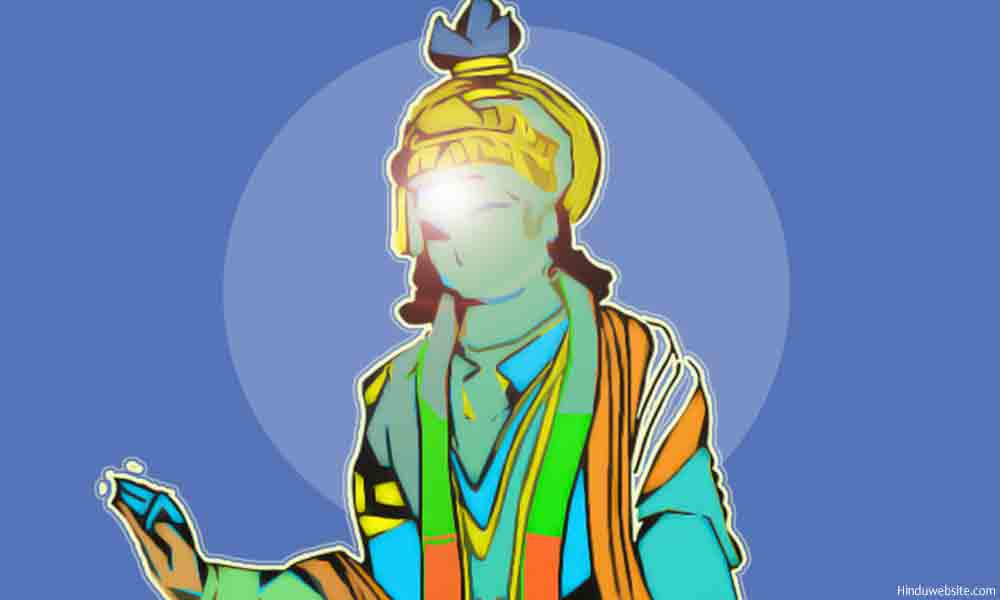
The Bhagavadgita begins with an entire chapter on the state of sorrow (Vishada Yogam) for a reason. Arjuna's sorrow in the Bhagavad gita is symbolic of all human suffering. It is out of sorrow and suffering that a person becomes interested in philosophical matters and begins his spiritual journey. This may not happen universally, but in most cases it does.
Our experiences repeatedly prove that sorrow is the inseparable companion to human beings. It is the eye-opener and the true teacher of philosophical truths, without which perhaps many would remain spiritually ignorant.
Suffering puts our egos in their place and forces us to turn to God for help, just as Arjuna, the great warrior turned to Lord Krishna for help and guidance. When we are happy, we generally do not think much about God or spirituality, but in suffering we look for help and seek divine intervention. It is at least the case with a majority of people.
Why do we suffer? What does suffering teach? You will find the answers to these questions in the following essays where we will analyze and discuss the spiritual significance of human suffering and its outcome in the light of the teachings of the Bhagavadgita, Upanishads and other scriptures. Some essays deal with the problem of suffering from the perspective of Buddhism.
The Bhagavadgita On The Problem Of Sorrow
Suffering According to the Yoga Sutras
Change, Impermanence and the Yoga of Sorrow
The Causes of Sorrow And Suffering
Suffering from a Hindu Perspective
The Importance of Sorrow in Human Life
The Buddhist concept of craving or tanha
Why End Suffering by Nyanaponika Thera
A General Outline Of Stress And Various Stress Related Issues
Suggestions for Further Reading
- The Samkhya Philosophy and 24 Principles of Creation
- The Bhagavadgita On The Problem Of Sorrow
- The Concept of Atman or Eternal Soul in Hinduism
- The Practice of Atma Yoga Or The Yoga Of Self
- The Problem of Maya Or Illusion and How To Deal With It
- Belief In Atman, The Eternal Soul Or The Inner Self
- Brahman, The Highest God Of Hinduism
- The Bhagavad Gita Original Translations
- The Bhagavadgita, Philosophy and Concepts
- Bhakti yoga or the Yoga of Devotion
- Hinduism And The Evolution of Life And Consciousness
- Why to Study the Bhagavadgita Parts 1 to 4
- The Triple Gunas, Sattva, Rajas and Tamas
- The Practice of Tantra and Tantric Ritual in Hinduism and Buddhism
- The Tradition Of Gurus and Gurukulas in Hinduism
- Origin, Definition and Introduction to Hinduism
- Hinduism, Way of Life, Beliefs and Practices
- A Summary of the Bhagavadgita
- Avatar, the Reincarnation of God Upon Earth
- The Bhagavadgita on Karma, the Law of Actions
- The Mandukya Upanishad
- The Bhagavadgita On The Mind And Its Control
- Symbolic Significance of Numbers in Hinduism
- The Belief of Reincarnation of Soul in Hinduism
- The True Meaning Of Renunciation According To Hinduism
- The Symbolic Significance of Puja Or Worship In Hinduism
- Introduction to the Upanishads of Hinduism
- Origin, Principles, Practice and Types of Yoga
- Hinduism and the Belief in one God
- Essays On Dharma
- Esoteric Mystic Hinduism
- Introduction to Hinduism
- Hindu Way of Life
- Essays On Karma
- Hindu Rites and Rituals
- The Origin of The Sanskrit Language
- Symbolism in Hinduism
- Essays on The Upanishads
- Concepts of Hinduism
- Essays on Atman
- Hindu Festivals
- Spiritual Practice
- Right Living
- Yoga of Sorrow
- Happiness
- Mental Health
- Concepts of Buddhism
- General Essays