
Silence and Spirituality On the Path of Self-realization
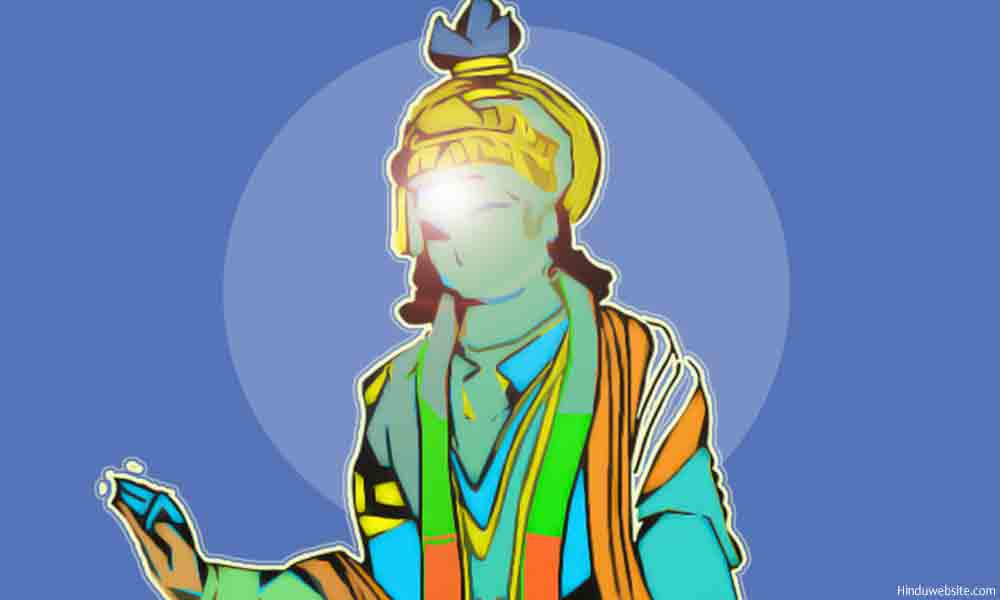
Chapter 2, Verse 9
9. Said Sanjaya, “Having thus addressed Hrisikesa, Gudakesa said, ‘Govinda, I will not fight,’ and became silent.”
To a suffering soul who is seeking advice from a spiritual master, silence is the brief interlude to collect his thoughts and prepare for the advice. Silence is also a token of surrender. It marks the end of egoistic struggle to control one’s destiny, and the beginning of enquiry, observation and learning from a higher source. It also marks the end of emotional reverie and return to the reality of the present moment. For a sincere devotee, silence is an opportunity to establish communion with God and find solutions to his problems. Silence is the oasis where weary travelers like Arjuna can stop for a brief sojourn to review their progress.
Arjuna's silence is philosophical, devotional and human in its nature. His silence and passivity indicate that he reached the limits of his knowledge and intelligence in his search for solutions and looked to Krishna for divine help and guidance. In that moment of silence, he created an opening for God to enter his mind and enlighten it with divine wisdom. Without becoming silent, you cannot have a dialogue with another person or facilitate exchange of knowledge and information. A silent mind is a receptive mind. It is passively active to assimilate knowledge. Arjuna's silence symbolizes spiritual silence, which is essential to prepare the mind and body for the journey of liberation.
Silence comes at the end of a long struggle, which may span over many lifetimes, when a person realizes his mistakes and becomes dissolutioned with his way of living. That silence is not an ordinary silence. It is the silence of all silences, beyond all the noise and modifications of the mind and body. It is the aperture through which rays of divine wisdom penetrate the dark layers of the mind and suffuse it with light and purity. It is the brief interval which helps an aspirant reflect upon his past, learn from it and look for new solutions.
Silence has great significance in spiritual practice. Without silence, you cannot progress far on the spiritual path. You will not become receptive to divine thoughts. It is in the silence of your mind that God pours divine wisdom and works his wonders. In Hindu spiritual tradition, the practice of silence is exemplified by the tradition of Munis, the silent ones. It is through total silence of their minds and bodies, they cross all barriers to reach the doors of Brahman.
Silence does not mean mere verbal silence. The whole mind and body must become silent. All thoughts, desires, feelings and modifications must dissolve into silence. Only then the doors to the subtle worlds open and lead one further to the world of Brahman. God readily descends into the deepest silence of a devotee’s heart to cleanse it and prepare it for higher wisdom.
If you want to enter spiritual life, you must learn to practice silence. It must become your natural state. It must be your natural response to all that happens to you. To remain silent amidst disturbances and temptations is the mark of an adept on the path of yoga. Where silence is yet to become the natural state of an aspirant, liberation will remain a distant possibility, God remains a mere idea or a distant dream, knowledge becomes an illusion of empty words, and the person remains a prisoner of his desires, habits and karma.
Noise is ignorance. Noise is confusion. It is an indication that the mind is still preoccupied with the pulls and attractions of the world. Noise denotes egoism and attraction and aversion to sense-objects. It is the source of the modifications of the mind and the afflictions. Suffering is the noise, which the mind fails to contain when it is driven by passions and desires. Only silence, can break that pattern and brings relief.
Eventually, those who are ripe for liberation have to end their egoistic struggle and enter the realm of silence where their minds become silent and the veil of their ignorance becomes dissolved in the light of wisdom. Arjuna, the great warrior who fought many wars and lived a very eventful life, reached a critical point in his life. He became silent at the right moment and humbly stood before Lord Krishna for divine help. Thereby, he became qualified for further knowledge.
Note : These commentaries are not part of the Bhagavadgita Complete Translation.
Suggestions for Further Reading
- The Samkhya Philosophy and 24 Principles of Creation
- The Bhagavadgita On The Problem Of Sorrow
- The Concept of Atman or Eternal Soul in Hinduism
- The Practice of Atma Yoga Or The Yoga Of Self
- The Problem of Maya Or Illusion and How To Deal With It
- Belief In Atman, The Eternal Soul Or The Inner Self
- Brahman, The Highest God Of Hinduism
- The Bhagavad Gita Original Translations
- The Bhagavadgita, Philosophy and Concepts
- Bhakti yoga or the Yoga of Devotion
- Hinduism And The Evolution of Life And Consciousness
- Why to Study the Bhagavadgita Parts 1 to 4
- The Triple Gunas, Sattva, Rajas and Tamas
- The Practice of Tantra and Tantric Ritual in Hinduism and Buddhism
- The Tradition Of Gurus and Gurukulas in Hinduism
- Origin, Definition and Introduction to Hinduism
- Hinduism, Way of Life, Beliefs and Practices
- A Summary of the Bhagavadgita
- Avatar, the Reincarnation of God Upon Earth
- The Bhagavadgita on Karma, the Law of Actions
- The Mandukya Upanishad
- The Bhagavadgita On The Mind And Its Control
- Symbolic Significance of Numbers in Hinduism
- The Belief of Reincarnation of Soul in Hinduism
- The True Meaning Of Renunciation According To Hinduism
- The Symbolic Significance of Puja Or Worship In Hinduism
- Introduction to the Upanishads of Hinduism
- Origin, Principles, Practice and Types of Yoga
- Hinduism and the Belief in one God
- Essays On Dharma
- Esoteric Mystic Hinduism
- Introduction to Hinduism
- Hindu Way of Life
- Essays On Karma
- Hindu Rites and Rituals
- The Origin of The Sanskrit Language
- Symbolism in Hinduism
- Essays on The Upanishads
- Concepts of Hinduism
- Essays on Atman
- Hindu Festivals
- Spiritual Practice
- Right Living
- Yoga of Sorrow
- Happiness
- Mental Health
- Concepts of Buddhism
- General Essays