
Jainism - Philosophy and Doctrine
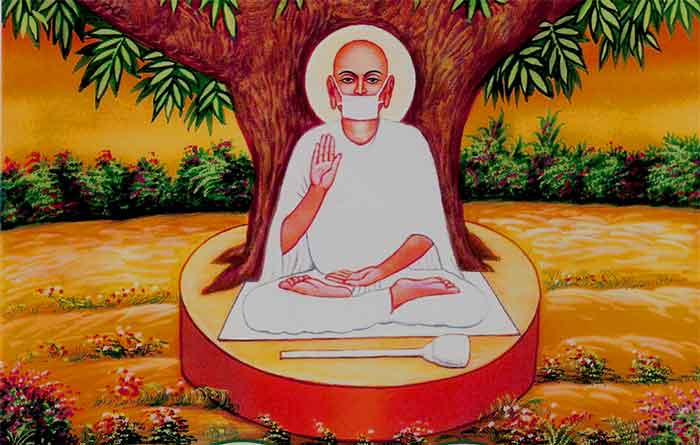
The Nigantha Nataputta, sir, who knows and sees all things, who claims perfect knowledge and faith (in the following terms) : 'walking and standing, sleeping or waking, I am always possessed of perfect knowledge and faith' teaches the annihilation by austerities of the old Karma, and the prevention by in activity of new Karma. When Karma ceases, misery ceases ; when misery ceases, perception ceases ; when perception ceases, every misery will come to an end. In this way a man is saved by pure annihilation of sin (niggara) which is really effective. - Anguttara Nikaya
'The true ascetic should possess twenty-seven qualities, for he must keep the five vows, never eat at night, protect all living things, control his five senses, renounce greed, practise forgiveness, possess high ideals, and inspect everything he uses to make sure that no insect life is injured. He must also be self-denying and carefully keep the three gupti, he must endure hardships in the twenty-two ways, and bear suffering till death.' - A Magadhi Sloka
Suggestions for Further Reading
- Hinduism - The Nyaya and Vaishesika Philosophy
- The Essential Yoga philosophy
- Darsanas of Hinduism - Nyaya and Vaisheshika
- Yoga and the Power of Subconscious
- The Sankhya Philosophy of Hinduism
- Introduction to Hinduism - Prakriti
- The Eightfold Path Of Buddhism
- The Four Noble Truths of Buddhism
- The Practice of Friendliness, Kalyanamittata, in Buddhism
- The Meaning and Practice of Mindfulness
- Buddhism - Objects of Meditation and Subjects for Meditation
- Handbook for the Relief of Suffering by Ajaan Lee
- Buddhist Meditation Practices
- Creating Harmony In You And Around You
- Spiritual Laws That Govern Our Lives
- What is faith?
- Finding Your Soul
- Mental Liberation: Achieving Mental Freedom
- Essays On Dharma
- Esoteric Mystic Hinduism
- Introduction to Hinduism
- Hindu Way of Life
- Essays On Karma
- Hindu Rites and Rituals
- The Origin of The Sanskrit Language
- Symbolism in Hinduism
- Essays on The Upanishads
- Concepts of Hinduism
- Essays on Atman
- Hindu Festivals
- Spiritual Practice
- Right Living
- Yoga of Sorrow
- Happiness
- Mental Health
- Concepts of Buddhism
- General Essays