
The Buddha On the Self And Anatta, the Not-Self
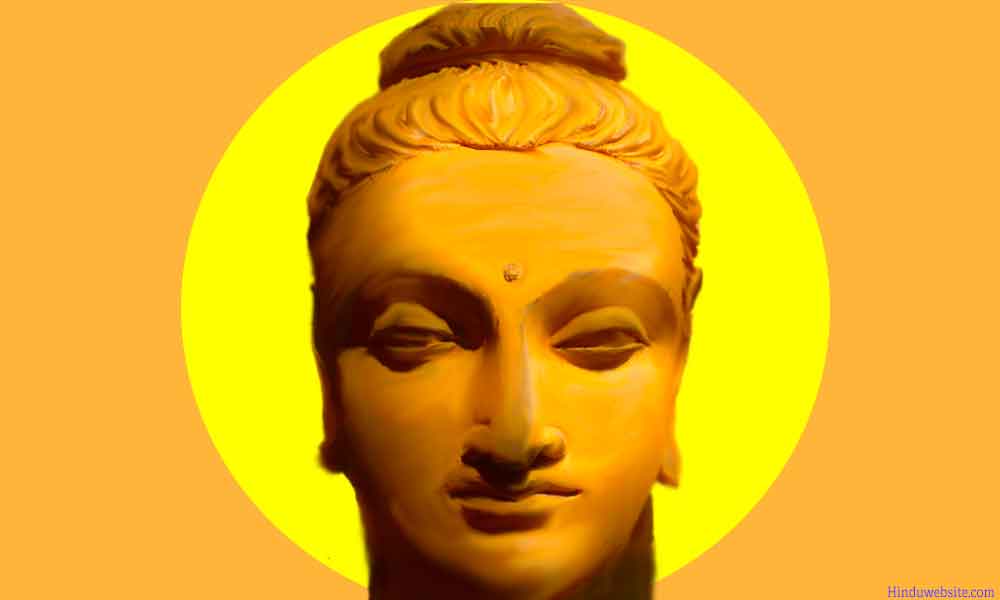
In Buddhism nothing is permanent. Nothing lasts forever. The Buddha extended the idea of impermanence to everything in existence, including the idea of soul. He did not concur with the Vedic or Jain belief of an eternal Self. He held the soul was also a temporary construct which will vanish when a person achieves Nirvana. In this essay we explore the idea of non-Self in Buddhism.
According to the Buddha, self is not truth. He declared," Where self is, truth is not. Where truth is, self is not. Self is the fleeting error of samsara; it is individual separateness and that egotism which begets envy and hatred."
He defined self as "that yearning which seeks pleasure and lusts after vanity where as Truth is the correct comprehension of things, which is the permanent and everlasting, the real in all existence and the bliss of righteousness."
The very existence of self is an illusion,. It is the Self, which through its activity, produces all the wrongs, vice and evil in the world. One can attain truth only when one accepts the self as an illusion. Righteousness can be practiced only when the mind is freed from the influence of egotism. Perfect peace comes only when all the vanity of the self has disappeared.
The Buddha therefore preached that one should aim to remove the very idea of self from the consciousness which is possible only by removing all forms of desires, feelings and sensations through the practice of the eightfold path.
It is to be noted that when Buddha the was speaking of self, he was not referring to the ordinary self or the egoistic self that was driven by pleasure and pain. According to the Buddha, the ego centric view of the world, which the self perpetrates, is an obstacle to seeing the Truth as it is. Self itself is an illusion and therefore it cannot be relied upon to understand Truth. Realization comes when pure awareness is cultivated through the practice of the eightfold path.
The Buddha's Sermon on the Not-Self
In Buddha's own words (Anattalakkhana Sutta, Samyutta Nikaya XXII, 59) self is explained thus :
'The body, monks, is not self. If the body were the self, this body would not lend itself to dis-ease. It would be possible (to say) with regard to the body, "Let my body be thus. Let my body not be thus." But precisely because the body is not self, the body lends itself to dis-ease. And it is not possible (to say) with regard to the body, "Let my body be thus. Let my body not be thus." '
Feeling is not self.... Perception is not self.... Mental processes are not self....
'Consciousness is not self. If consciousness were the self, this consciousness would not lend itself to dis-ease. It would be possible (to say) with regard to consciousness, "Let my consciousness be thus. Let my consciousness not be thus." But precisely because consciousness is not self, consciousness lends itself to dis-ease. And it is not possible (to say) with regard to consciousness, "Let my consciousness be thus. Let my consciousness not be thus." '
How do you construe thus, monks--Is the body constant or inconstant?' 'Inconstant, Lord.' 'And is that which is inconstant easeful or stressful?' 'Stressful, Lord.' 'And is it fitting to regard what is inconstant, stressful, subject to change as: "This is mine. This is my self. This is what I am"?' 'No, Lord.'
'...Is feeling constant or inconstant?.... Is perception constant or inconstant?.... Are mental processes constant or inconstant?....
'Is consciousness constant or inconstant?' 'Inconstant, Lord.' 'And is that which is inconstant easeful or stressful?' 'Stressful, Lord.' 'And is it fitting to regard what is inconstant, stressful, subject to change as: "This is mine. This is my self. This is what I am"?' 'No, Lord.'
'Thus, monks, any body whatsoever--past, future, or present; internal or external; blatant or subtle, common or sublime, far or near: every body--is to be seen as it actually is with right discernment as: "This is not mine. This is not my self. This is not what I am."
'Any feeling whatsoever.... Any perception whatsoever.... Any mental processes whatsoever.... '
Any consciousness whatsoever--past, future, or present; internal or external; blatant or subtle, common or sublime, far or near: every consciousness--is to be seen as it actually is with right discernment as: "This is not mine. This is not my self. This is not what I am.
" 'Seeing thus, the instructed Noble disciple grows disenchanted with the body, disenchanted with feeling, disenchanted with perception, disenchanted with mental processes, and disenchanted with consciousness. Disenchanted, he becomes dispassionate. Through dispassion, he is released. With release, there is the knowledge, "Released." He discerns that, "Birth is depleted, the holy life fulfilled, the task done. There is nothing further for this world."'
Suggestions for Further Reading
- Buddhism - The Concept of Anatta or No Self
- Anatta or Anatma in Buddhism
- Anicca or Anitya in Buddhism
- The Buddha on God
- The Buddha on Avijja or Ignorance and on the Origin of Life
- The Buddha On the Self And Anatta, the Not-Self
- History Of The Four Buddhist Councils
- Chinese Buddhism
- The Eightfold Path Of Buddhism
- The Four Noble Truths of Buddhism
- Four Stages of Progress on the Middle Way in Buddhism
- The Practice of Friendliness, Kalyanamittata, in Buddhism
- Karma or Kamma In Buddhism
- Mahayana Buddhism
- Buddha's Last Days and Final Words
- Buddhism - The Middle Way
- The Buddha's Teaching on Right Mindfulness
- The Meaning and Practice of Mindfulness
- Buddhism - Vinaya or Monastic Discipline
- Right Conduct For Lay Buddhists
- Nirvana or Nibbana in Buddhism
- Buddhism - Objects of Meditation and Subjects for Meditation
- Buddhism - Right Speech and Mind Training
- Buddhism - Right Living On The Eightfold Path
- Handbook for the Relief of Suffering by Ajaan Lee
- Theravada Buddhism
- Meat Eating or Vegetarianism in Buddhism
- Essays On Dharma
- Esoteric Mystic Hinduism
- Introduction to Hinduism
- Hindu Way of Life
- Essays On Karma
- Hindu Rites and Rituals
- The Origin of The Sanskrit Language
- Symbolism in Hinduism
- Essays on The Upanishads
- Concepts of Hinduism
- Essays on Atman
- Hindu Festivals
- Spiritual Practice
- Right Living
- Yoga of Sorrow
- Happiness
- Mental Health
- Concepts of Buddhism
- General Essays
Image Attribution: The image of the Buddha used in this article is either in public domain or licensed under the Creative Commons Attribution-Share Alike 3.0 Unported license.