A Reader’s Guide to Understanding News and Information
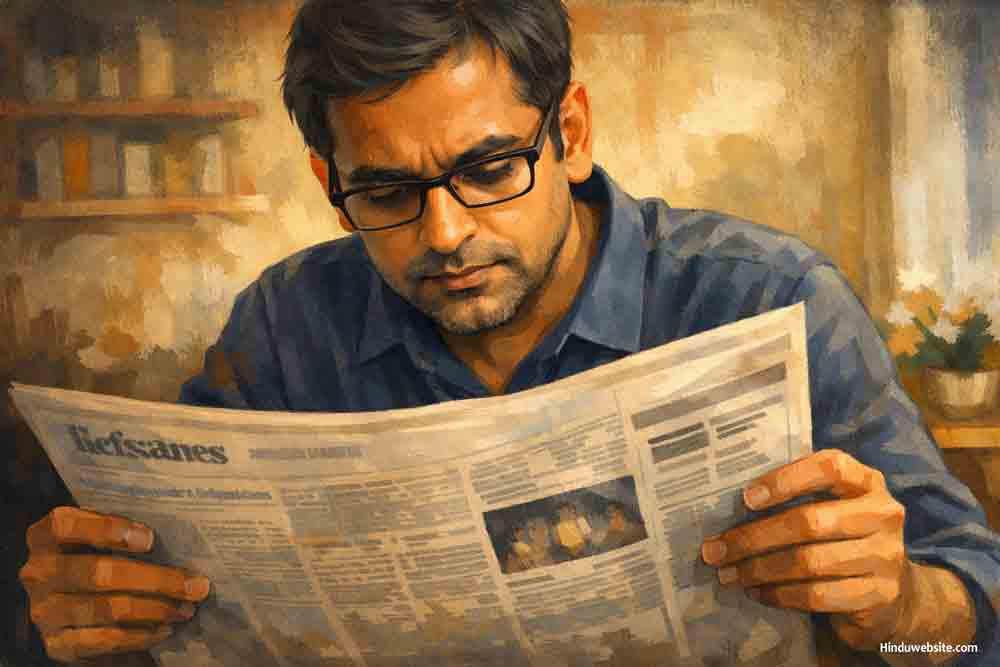
Summary: This page offers a steady, evergreen guide to understanding how news works and how readers can stay informed without feeling overwhelmed by the pace of modern information. It explains why being informed still matters, how news is selected and framed, and how different layers of reporting—from breaking updates to long‑form analysis—shape public understanding. The page encourages thoughtful reading by examining source credibility, evidence, context, language, and the subtle ways bias and perspective appear in journalism. It also addresses challenges such as misinformation, sensationalism, and information overload, offering practical suggestions for developing balanced news habits and setting healthy boundaries. Readers are encouraged to compare multiple reputable sources, use curated links as tools for deeper learning, and cultivate critical thinking as a compass for navigating today’s information landscape. The page concludes with recommended books, academic resources, and literacy frameworks to support ongoing learning, along with a clear disclaimer about third‑party news sources.
Information reaches us today with remarkable speed. Headlines appear on our phones before we even ask for them, and global events unfold in real time across countless platforms. This abundance can be a gift, but it can also create confusion, fatigue, and a sense of being swept along by forces we cannot fully grasp. Many people want to stay informed but feel overwhelmed by the constant flow of updates. This page is designed to offer a calmer alternative: a steady, evergreen guide to understanding news, evaluating information, and developing a balanced relationship with the world’s events.
The purpose is not to provide breaking news. Instead, it is to help readers cultivate clarity in a noisy environment. By understanding how news works and how to approach it thoughtfully, you can stay informed without feeling consumed by the pace of modern information.
Why Being Informed Still Matters
Despite the challenges of the digital age, staying informed remains essential. News is more than a record of events; it is a reflection of human choices, social changes, scientific discoveries, and cultural movements. It helps us understand the world we live in and the forces that shape our lives. Whether you follow international affairs, local issues, or developments in science and culture, being informed allows you to participate meaningfully in society.
Yet being informed does not require constant monitoring. It requires awareness, curiosity, and the ability to distinguish what is important from what is merely urgent. A thoughtful approach to news helps you stay grounded while still engaging with the world.
How News Works
News is not a complete picture of reality. It is a selection of stories chosen by editors and reporters who must decide what deserves attention. This selection process is not inherently biased; it is simply part of how journalism functions. Understanding this helps you read news with a clearer mind.
Different outlets may cover the same event in different ways. One may focus on political implications, another on economic consequences, and another on human stories. These differences do not necessarily indicate distortion; they reflect the many angles from which an event can be understood.
News also comes in layers. Breaking news offers immediacy but often lacks context. Daily reporting fills in details. Analysis and commentary interpret events. Long‑form journalism explores deeper causes and long‑term trends. A balanced understanding comes from engaging with more than just the first layer.
Reading News with Awareness
Approaching news thoughtfully means paying attention not only to what is said but also to how it is presented. When reading any story, it helps to consider the source, the evidence provided, the context offered, and the language used. These elements shape how we interpret information.
Reliable reporting usually cites verifiable facts, named sources, documents, or data. When a story relies heavily on speculation or anonymous statements, it is wise to treat it with caution. Context is equally important. Events rarely happen in isolation, and good reporting explains the background and significance of what is happening.
Language also matters. Emotionally charged words can influence perception, while neutral language allows readers to form their own judgments. Sometimes the most telling part of a story is what is not said. Noticing what is missing can be as important as noticing what is included.
Understanding Bias and Perspective
Every news outlet has a perspective shaped by its history, audience, and editorial culture. This does not mean that the reporting is unreliable; it simply means that no single source can capture the full complexity of an event. Recognizing perspective helps you read more intelligently.
Bias can appear in subtle ways—through the choice of which stories to highlight, the framing of headlines, the selection of experts, or the emphasis placed on certain details. Reading across multiple reputable sources allows you to see how different perspectives complement one another. It also helps you avoid the assumption that any one outlet represents the complete truth.
Navigating Misinformation and Overload
The digital age has made misinformation more common. False or misleading stories can spread quickly, especially when they appeal to emotion or confirm existing beliefs. Protecting yourself requires a combination of caution and curiosity. When a claim seems surprising or sensational, it is helpful to verify it through multiple sources or consult fact‑checking organizations.
Information overload is another challenge. Constant exposure to breaking news can create stress and reduce comprehension. Setting boundaries—such as checking news at specific times rather than continuously—helps maintain balance. A steady rhythm of engagement is more sustainable than constant monitoring.
Developing a Balanced News Habit
A healthy relationship with news is intentional. It involves choosing sources thoughtfully, seeking depth rather than speed, and allowing time for reflection. Many readers find it helpful to combine daily updates with longer, more detailed articles that explore issues in depth. Including international perspectives broadens understanding and reduces the influence of any single narrative.
A balanced habit also includes stepping back when needed. News is important, but so is perspective. Taking breaks allows the mind to process information more clearly and prevents fatigue.
Why Comparing Sources Helps
Your Information Portal includes links to a variety of international outlets. These links are not meant to overwhelm the reader but to offer a way to compare how different organizations report the same event. When you read across sources, you begin to notice differences in emphasis, tone, and interpretation. This comparative approach deepens understanding and encourages independent thinking.
Using Curated Resources as Tools
The curated links on this page serve as gateways to broader learning. They allow readers to explore world events, culture, technology, and society through multiple lenses. When used intentionally, they support research, education, and personal growth.
Readers can use these resources to follow developments in areas of interest, explore background information, study long‑term trends, or connect news with essays, history, and philosophy. In this way, the page becomes a starting point for deeper exploration rather than a destination in itself.
A Closing Reflection
Staying informed is not about absorbing every headline. It is about cultivating clarity in a world filled with noise. By approaching news with awareness and intention, you can develop a relationship with information that is steady, thoughtful, and sustainable. Critical thinking becomes your compass in this process, helping you distinguish what is meaningful from what is merely distracting. This page aims to support that relationship by offering guidance rather than constant updates, and by helping readers navigate the modern information landscape with confidence and calm.
Further Reading and Resources
Understanding news and information is easier when supported by thoughtful reading. The following books and academic resources offer deeper insight into how media works, how information shapes society, and how readers can develop strong critical‑thinking habits. These materials are widely respected, non‑ideological, and suitable for anyone who wants to explore the subject more deeply.
Books on Media, Information, and Critical Thinking
(You can link each title to its Amazon page.)
- Amusing Ourselves to Death by Neil Postman: A classic exploration of how different forms of media shape public understanding and attention. Postman’s insights remain relevant in the digital age.
- The Elements of Journalism by Bill Kovach and Tom Rosenstie: A foundational text explaining what journalism is supposed to do, how it works, and how readers can evaluate it.
- Thinking, Fast and Slow by Daniel Kahneman: Not a media book, but essential for understanding how cognitive biases influence the way we interpret information.
- Blur: How to Know What’s True in the Age of Information Overload by Kovach & Rosenstiel : A practical guide to evaluating news, identifying reliable information, and navigating modern media.
- Trust Me, I’m Lying: by Ryan Holiday A revealing look at how digital media can be manipulated, useful for understanding the vulnerabilities of the online information ecosystem.
- The Information: A History, a Theory, a Flood: by James Gleick A sweeping history of information itself — how humans create, store, and interpret it.
Academic and Institutional Resources
(These are neutral, non‑political, and widely respected.)
- The News Literacy Project: A nonprofit organization dedicated to teaching people how to evaluate news and information responsibly.
- The Poynter Institute A journalism education center offering research, training, and resources on media ethics and verification.
- UNESCO Media and Information Literacy Framework A global, non‑ideological framework for understanding media, information, and digital literacy.
- Stanford History Education Group: Civic Online Reasoning Research‑based materials on evaluating online information, designed for students and the general public.
- MIT Media Lab: Information & Misinformation Research Academic work exploring how information spreads and how people interpret it.
- Critical Media Analysis: Sources for Articles: Full text of scholarly, peer-reviewed articles about communication, media studies, rhetoric, and other related subjects.
Public Disclosure: When you click on some of the links on this page and make a purchase, we may earn a small commission at no cost to you.
Disclaimer: Hinduwebsite.com provides the news from third party sources solely for the purpose of information on the current state of affairs. Hinduwebsite has no control over the third-party feeds or what news they include or exclude. The views expressed in them are solely those of the original authors and the original sources in their private capacity and do not in any way represent the views of Hinduwebsite.com, or any other entity of Hinduwebsite.com. Hinduwebsite.com does not approve, endorse, embrace or authorize any of the news displayed here.
Attribution: Image for this article created with AI. Information compiled with AI assistance.